£179.50
£179.99
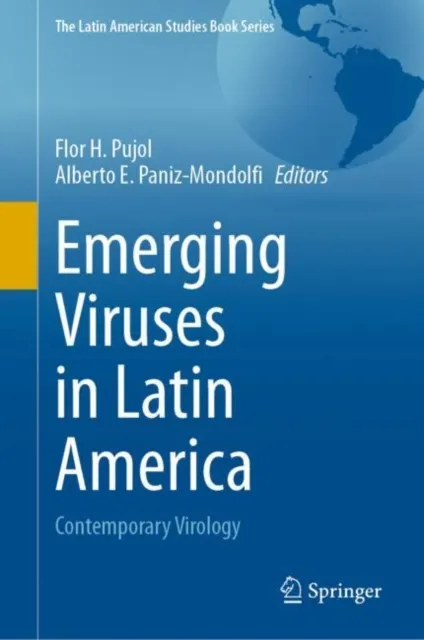
Emerging Viruses in Latin America
Contemporary Virology

Latin America’s Microbial Diversity and Infectious Agents
Latin America has extensive microbial diversity and is endemic for a wide array of infectious agents including dengue, chikungunya, malaria and tuberculosis. In 2014, the WHO cited 93 public health events of potential international concern in the Latin American region where over half (47 events) were caused specifically by chikungunya and other zoonotic pathogens, causing geographically widespread impact affecting 27 countries and territories. Arena, alpha and flaviviruses are RNA viruses, many of which are endemic in South America, are diverse in nature, and can adapt easily to new hosts, creating zoonotic threats. Since more than 70% of emerging diseases are caused by zoonotic agents, it is of great importance to enhance the capacity for detection and diagnosis in the areas where they are most likely to emerge. COVID-19 provided an opportunity to reinforce public health capacities, improve reporting transparency, and enhance regional coordination. Limited but consistent research has been carried out in the region to address the viral threats that account for a significant portion of health concerns. This book describes relevant examples of these achievements and discusses ongoing limitations in the region.