£50.99
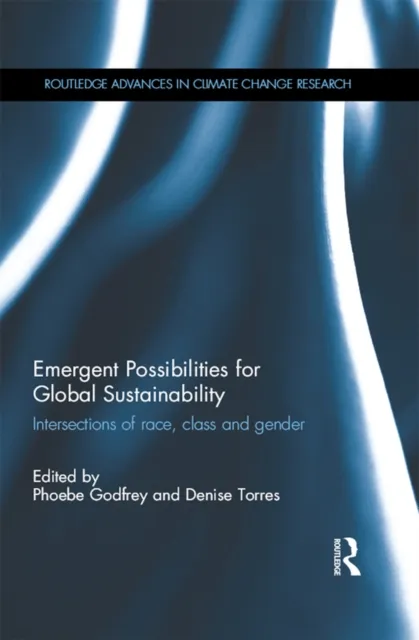
Emergent Possibilities for Global Sustainability
Intersections of race, class and gender

It must be acknowledged that any solutions to anthropogenic Global Climate Change (GCC) are interdependent and ultimately inseparable from both its causes and consequences. As a result, limited analyses must be abandoned in favour of intersectional theories and practices.
Emergent Possibilities for Global Sustainability
Emergent Possibilities for Global Sustainability is an interdisciplinary collection which addresses global climate change and sustainability by engaging with the issues of race, gender, and class through an intersectional lens. The book challenges readers to foster new theoretical and practical linkages and to think beyond the traditional, and oftentimes reductionist, environmental science frame by examining issues within their turbulent political, cultural and personal landscapes. Through a variety of media and writing styles, this collection is unique in its presentation of a complex and integrated analysis of global climate change and its implications. Its companion book, Systemic Crises of Global Climate Change, addresses the social and ecological urgency surrounding climate change and the need to use intersectionality in both theory and practice.
This book is a valuable resource for academics, researchers and both undergraduate and post-graduate students in the areas of Environmental Studies, Climate Change, Gender Studies and International studies as well as those seeking a more intersectional analysis of GCC.