£3.99
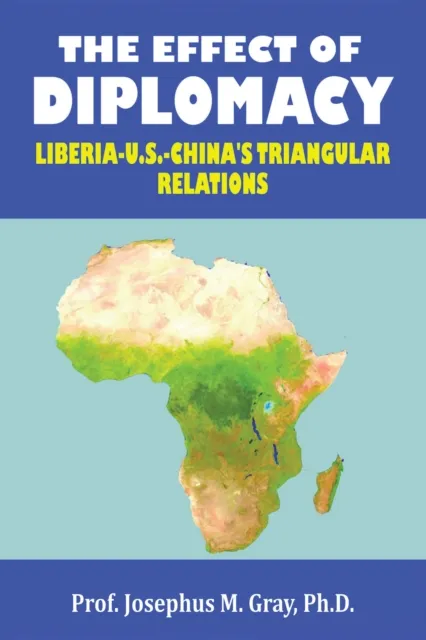
Effect of Diplomacy
Liberia, Us, China's Triangular Relations

Introduction
This book characterizes the existing relationships among Liberia, China and the United States of America as “triangular”. The three countries sampled are known to be democratic states but run different forms of governments—both Liberia and the United States run a Republican form of government, while China runs a socialist system of government. Both United States and China have been chosen for the purpose of this study because they are stable, and are the world's economic powers. The two countries are actively engaged with African leaders, governments and states. These two states have been selected because they depict and reflect an alteration in governance, resources and economic powers.
Scope and Focus
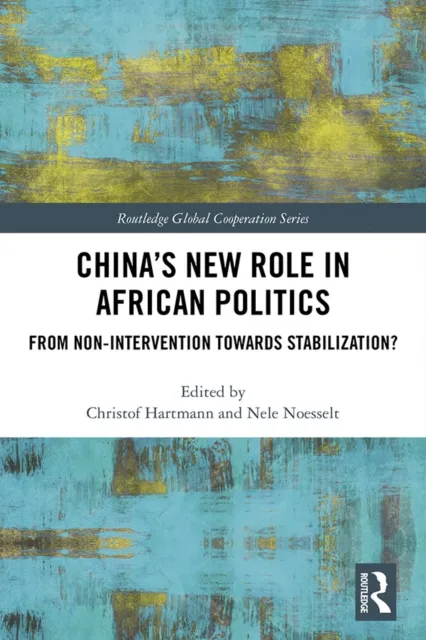
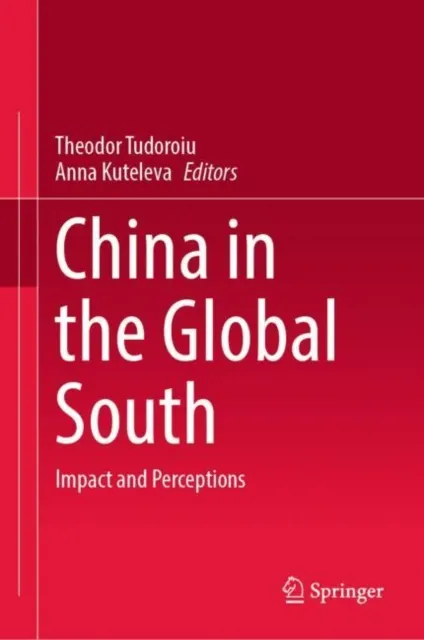
This book presents an in-depth, insightful analysis of critical issues on the continent and beyond. These issues include Africa in International Relations, the new scramble for the continent's richer resources, and the core causes of poverty, corruption, bad governance and counter-terrorism in Africa. The deep political “love” towards African governments and states by the two global economic powers in recent time realism argues that it is that has made the continent the frontline competition for oil, and the two main competitors for Africa are U.S. and China.
Relations and Engagements
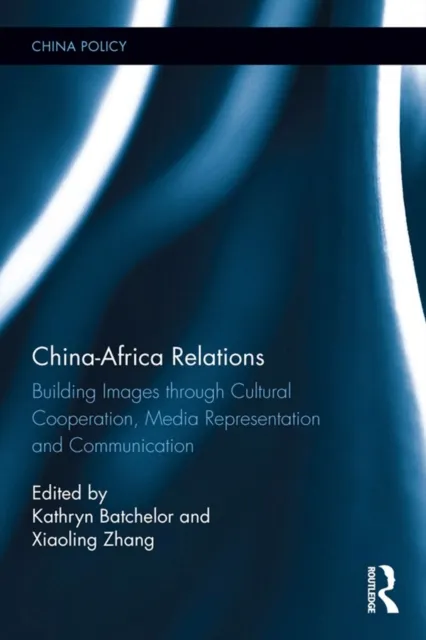
This study provides a vivid picture of Liberia, U.S. and China’s triangular relations, a detailing of the three countries' long-standing bilateral and multilateral relationship. It goes further to discuss few African states' relations with China and the U.S. Both U.S. and China are the world's two leading economic powers and are permanent members of the United Nations Security Council with veto power and are competing actors on the international stage. In recent times, the two countries have been engaged in a trade war; a situation which is having an adverse effect on global trade.
Research and Methodology
The dissertation, which traces the history of Liberia, U.S. and China’s triangular relations, their engagement in Africa and foreign aid support towards African governments and states, is a unique research and stands as a milestone, and result-oriented. The book is based on proven scholarly writings. The study attempts to validate existing publications or wide-ranging perceptions about the world's leading economic powers—China and U.S. presence in Africa.
The study highlights China and the U.S. presence in Africa and their engagement with African leaders, governments and nations.
Chapter one is the general introduction and presents the background of the study, statement of the problem, research focus, objectives, justification, and significance of the entire research. Chapter two traces the history and examines Liberia, U.S. and China engagement and presence in Africa and the impacts of foreign aid in Africa; and chapter three provides the methods employed during the study. These methods include research strategy and design, data collection as well as data analysis, sampling method, structure review and limitations of the study.
Triangular Relations and Political Developments
Chapter four provides a vivid picture of Liberia, U.S. and China’s triangular relations, while chapter five evaluates the successes and challenges of Liberia’s foreign relations, covering the last seven decades from one regime to the other, from the presidency of ex-president Joseph Jenkins Roberts to present.
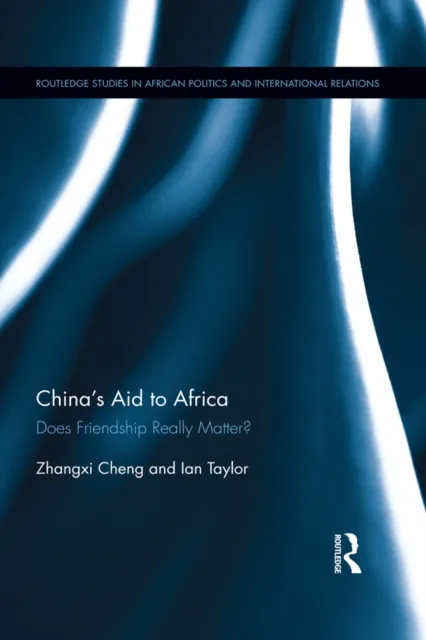
Chapter Six provides insights into America and China’s foreign aid to Africa and also analyzes U.S. foreign assistance to African governments and states, and compares that to China’s foreign aid assistance to African governments.
Chapter Seven emphasizes the curse of rampant corruption and the scourge of bad governance by African leaders and governments and the role of corrupt African leaders, political bureaucracies, foreign capitalists and authoritarian officials.
Chapter Eight assesses the role of contemporary Liberian media and its impact on democratic governance and national development. The work discusses in detail the western media’s perception of Africa and how the global media have been able to dump negative news materials and information.
Political System and Future Outlook
Chapter Nine examines the Liberian political system and democratic governance in the context of the new world order, respect for constitutionalism and looks at the uncompromising role of Liberian women in contemporary politics, and narrates how Liberia became the torch-bearer of democracy in Africa.
Chapter Ten sums up the findings of the study, presents the summary and gives my recommendations and offers further opinions about future research. Bibliography and appendices are treated separately out of these chapters.
Additional Information
The book contains 566 pages, 3,123 paragraphs, 202,916 words and 2,470,268 characters both single and double spacing while it contains 9,750 punctuation marks, 855 in-text citations. The research work also contains 590 references and 16,265 lines. The dissertation is organized into three major parts and comprises ten major chapters; it sums up with the findings of the study and gives recommendations.