£44.00
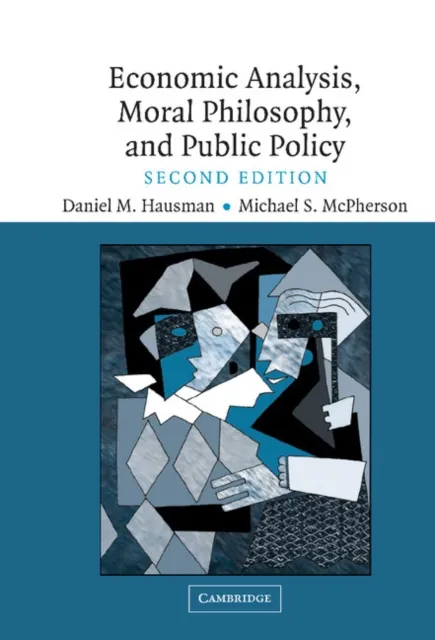
Economic Analysis, Moral Philosophy, and Public Policy

Overview
This book shows through argument and numerous policy-related examples how understanding moral philosophy can improve economic analysis, how moral philosophy can benefit from economists' analytical tools, and how economic analysis and moral philosophy together can inform public policy.
Part I: Rationality and Ethics
Part I explores the idea of rationality and its connections to ethics, arguing that when they defend their formal model of rationality, most economists implicitly espouse contestable moral principles.
Part II: Welfare, Utilitarianism, and Cost-Benefit Analysis
Part II addresses the nature and measurement of welfare, utilitarianism, and cost-benefit analysis.
Part III: Moral Notions in Policy Evaluation
Part III discusses freedom, rights, equality, and justice — moral notions that are relevant to evaluating policies, but which have played little if any role in conventional welfare economics.
Part IV: Social Choice and Game Theory
Finally, Part IV explores work in social choice theory and game theory that is relevant to moral decision making.
Each chapter includes recommended reading and discussion questions.