£21.00
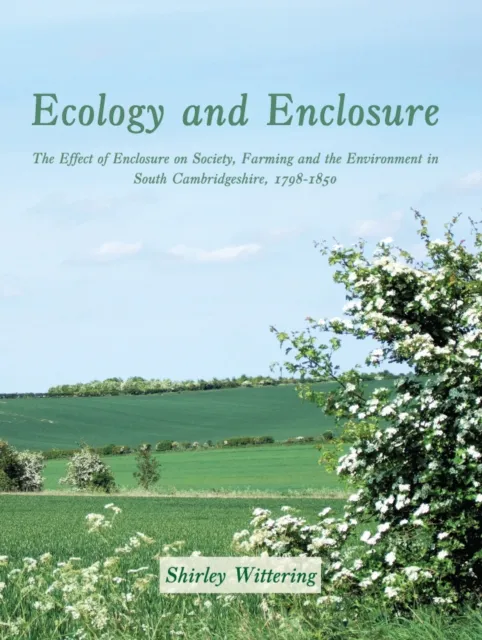
Ecology and Enclosure
The Effect of Enclosure on Society, Farming and the Environment in South Cambridgeshire, 1798-1850

South Cambridgeshire and Its Land
South Cambridgeshire has some of the richest arable land in England and has been cultivated for millennia. By the turn of the nineteenth century, industrialisation and massive population growth had resulted in an enormous increase in the demand for food, which in turn led to enclosure. But this desire to plough every available piece of land resulted in the destruction of many valuable and distinctive habitats that had existed for centuries.
The Ecology of Enclosure
The Ecology of Enclosure breaks new ground in comparing the effect of Parliamentary Enclosure with the findings of the enthusiastic Botanisers from Cambridge; this reveals not only the effect of enclosure on the ecology of the land but also on the people whose link with the land was broken.
Historical and Agricultural Context
The first section presents a study of social and agricultural life before enclosure, describing geology and climate; the fold-course open field system of farming and the strict stinting rules which governed how land could be used for grazing and stock movement; and the crop rotation systems employed.
Process and Impact of Enclosure
The second part describes the process of enclosure, including opposition to it; the changes that occurred to the landscape and within village communities as work in industry gradually replaced rural occupations; the effects of fencing on movement; and of the loss of common land to the plough.
Botanical Studies and Effects
The third section is an analysis of the new study of Botany which the University of Cambridge was enjoying in the eighteenth and nineteenth centuries based on their own records and a review of some of the specific effects on the flora and fauna of the area.