£41.99
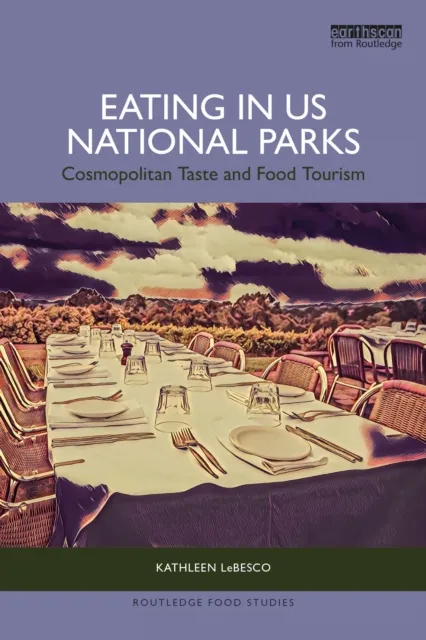
Eating in US National Parks
Cosmopolitan Taste and Food Tourism

This book presents a fascinating exploration of eating experiences within US national parks, explaining how, on what, and why people eat in national parks and how this has changed over the last century.
National parks are enjoying unprecedented popularity, and they are especially popular sites for the expression of cosmopolitanism, an ideological outlook descended from the Romantics on whose vision the parks were originally founded. The book explores the constructed foodscape within US national parks, situating the romantic consumption ethos within the context of sociological work on distinction, culinary tourism, and culinary capital. It analyzes and problematizes elements of cosmopolitan taste and desire, examining food tourism in wilderness spaces that satisfies cosmopolitan hunger for authenticity and a certain type of self-making. Weaving together strands of research that have not been previously integrated, the book gleans meaning from concessions menus and park restaurant web pages and employs audience analysis to take stock of park restaurant visitors’ contributions to restaurant review websites, as well as to understand how they represent their park eating experiences on social media. The book examines how satisfying cosmopolitan tastes in the parks creates profit for corporate concessioners, but also may produce bioregionalist successes and a recentering of Indigenous foodways. It concludes by exploring inroads to a better food experience in the parks, involving food products and processes that are regionally/locally specific, where tourists witness and participate in food production and enjoy commensality, but that are also non-extractive and show care for the environment and the people who inhabit it.
This book will be of great interest to students and scholars of food studies, tourism and hospitality, sociology of culture, parks and recreation, American studies, and environmental studies. The book will also be of interest to parks and recreation decision makers, sustainable tourism leaders, and hospitality managers.