£45.99
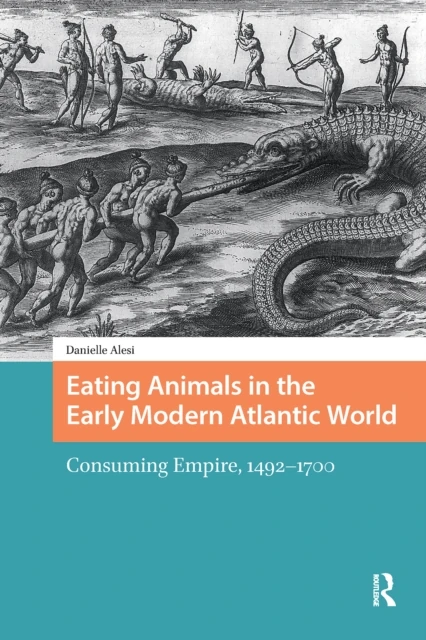
Eating Animals in the Early Modern Atlantic World
Consuming Empire, 1492-1700

Introduction
This book examines how the perceived edibility of animals evolved during the colonization of the Americas. Early European colonizers ate a variety of animals in the Americas, motivated by factors like curiosity, starvation, and diplomacy.
Evolution of Edibility
As settlements increased and became more sustainable, constructs of edibility shifted and the colonial food system evolved accordingly. By exploring the changes in animal edibility identifiable in early modern Spanish, French, and English sources in the regions of Mesoamerica, Greater Amazonia, and the east coast of North America, this book shows that animals, foodways, and settler colonialism are inextricably linked.
Colonial Food Culture
That the colonization of the Americas was not only the beginning of new empires, but also of a long-lasting colonial food culture that drives both food systems and human-animal relationships to the present day.