£249.50
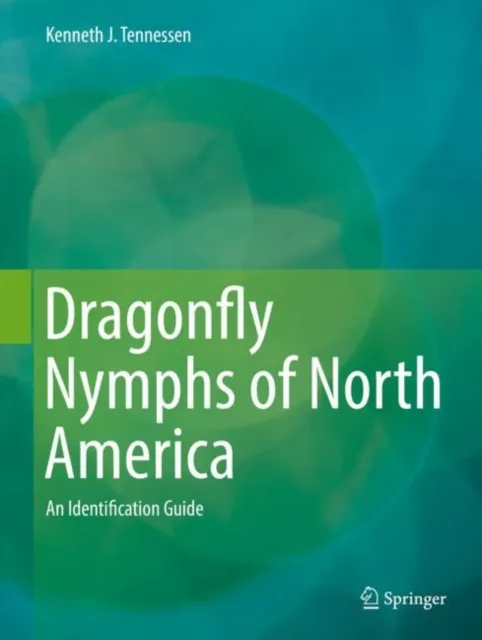
Dragonfly Nymphs of North America
An Identification Guide

Introduction
This monograph is the first of its kind devoted entirely to the dragonfly nymphs of North America north of Mexico, the focus being accurate identification of the 330 species of Anisoptera that occur in the region. Nymphal external morphology is described and illustrated in detail, and all terms needed to navigate the dichotomous keys are defined.
Species and Families
Species are tabulated with references that provide the most detailed, accurate descriptions for each; species that are inadequately described are so indicated. The key separating the seven families in the region contains several new characters. The families are then covered separately: Aeshnidae (13 genera), Gomphidae (17 genera), Petaluridae (2 genera), Cordulegastridae (2 genera), Macromiidae (2 genera), Corduliidae (7 genera), and Libellulidae (29 genera).
Family and Genus Characterization
Each family is further characterized, followed by a generic key. A drawing of the habitus and diagnostic details for each genus are provided, along with additional diagnostic remarks and notes on habitat and life cycle; for each genus, a map shows its geographic distribution in North America.
Identification and Morphology
Full-grown nymphs of all known species of each genus are keyed and diagnosed; characters that apply to earlier instars are noted. Morphological variation in character states was analyzed in order to assess the reliability of previously utilized characters and to discover new characters. Most of the characters used to distinguish all levels of taxa are illustrated; a total of 702 figures, comprising 1,800 original drawings, along with selected photographs where necessary for clarity, accompany the keys.
Measurements and Challenges
Measurements of total length, head width, and other variables for each species are provided in tables. Difficulties with past keys and descriptions, including errors, omissions and other shortcomings, are addressed.
Significance and Methods
The importance of nymph characters in helping solve generic and specific distinctions and their role in phylogenetic studies is emphasized. Methods for collecting, rearing, and preserving dragonfly nymphs and exuviae are presented.
Research and Additional Resources
The final chapter discusses research opportunities on North American Anisoptera nymphs, including taxonomic needs, studies on structure and function, life history and microhabitat, water quality indices and conservation efforts. The habitus drawings of all genera are arranged according to family in five plates (Appendix I); although the book is intended as a lab manual, these plates conveniently allow for comparison based on nymph shape making field identification to genus possible in many cases. Appendix II contains a brief history of dragonfly nymph studies in North America. A glossary and an index to scientific names are included.