£190.00
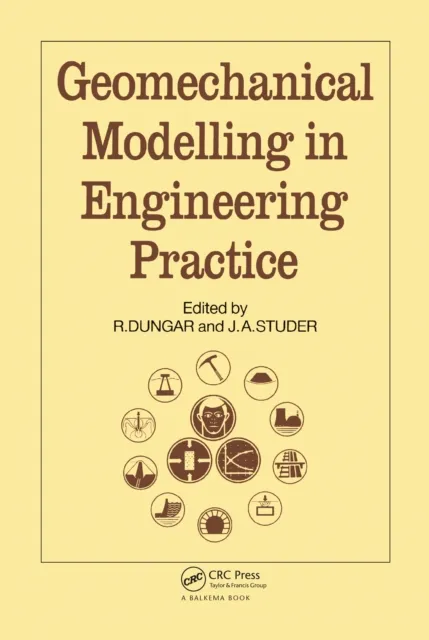
Distinct Element Modelling in Geomechanics

Linear assumptions and non-linear behaviors in geoengineering
Linear mathematical assumptions for procedures in other branches of engineering have little relevance for geoengineering, which must accommodate non-linear behaviors. Contributors to eight papers apply the breakthrough numerical modeling Distinct Element Method (Cundall, late 1960s).
Design philosophy in geotechnical engineering
The design philosophy for structures or excavations in geotechnical engineering is different from that followed for fabricated materials like steel and concrete. The designer has little data both with regard to geological weaknesses and strength and deformation characteristics of materials before finalizing the designs. Also these characteristics vary from place to place. In-situ stresses due to gravity and tectonics and transient forces imposed due to rainfall and earthquakes make the matter more complicated. The pore waters carry the load initially before passing it on to the solids. For the analytical procedure, to be realistic, it should account for large displacements and non-linear behaviour including strain-softening.
Impact of assumptions on numerical procedures
Because of these considerations, the designers have followed procedures based on simplifying assumptions such as linear, small strain, elastoplastic behaviour. Numerical procedures based on such assumptions, though very popular in other branches of engineering, have made little impact in geo-engineering.
Recent developments in geomechanics solutions
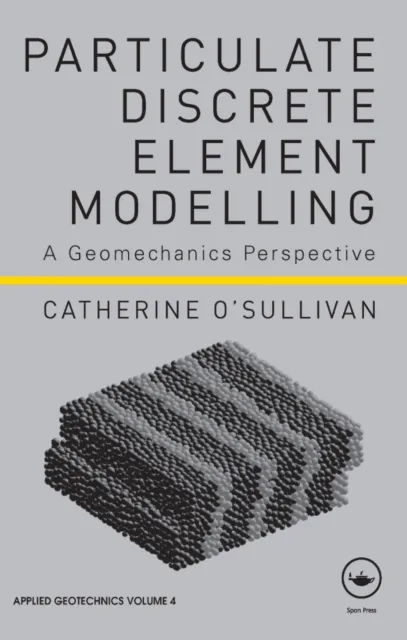
An attempt has been made in this book to compile the recent use of distinct element codes for solutions of some of the problems in geomechanics — particularly those involving excavations. It is hoped that it will provide an opportunity for the fraternity of geotechnical engineers to appreciate the opening of new frontiers in the use of computers for solving more challenging geotechnical problems.