£18.19
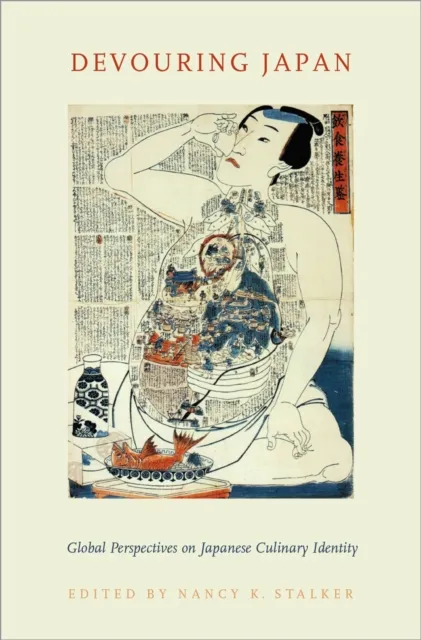
Devouring Japan
Global Perspectives on Japanese Culinary Identity

Japan's Cuisine and Cultural Recognition
In recent years Japan's cuisine, or washoku, has been eclipsing that of France as the world's most desirable food. UNESCO recognized washoku as an intangible cultural treasure in 2013 and Tokyo boasts more Michelin-starred restaurants than Paris and New York combined. International enthusiasm for Japanese food is not limited to haute cuisine; it also encompasses comfort foods like ramen, which has reached cult status in the U.S. and many world capitals. Together with anime, pop music, fashion, and cute goods, cuisine is part of the "Cool Japan" brand that promotes the country as a new kind of cultural superpower.
Overview of the Collection
This collection of essays offers original insights into many different aspects of Japanese culinary history and practice, from the evolution and characteristics of particular foodstuffs to their representation in literature and film, to the role of foods in individual, regional, and national identity. It features contributions by both noted Japan specialists and experts in food history.
Key Questions and Perspectives
The authors collectively pose the question "what is washoku?" What culinary values are imposed or implied by this term? Which elements of Japanese cuisine are most visible in the global gourmet landscape and why? Essays from a variety of disciplinary perspectives interrogate how foodways have come to represent aspects of a "unique" Japanese identity and are infused with official and unofficial ideologies.
They reveal how Japanese culinary values and choices, past and present, reflect beliefs about gender, class, and race; how they are represented in mass media; and how they are interpreted by state and non-state actors, at home and abroad. They examine the thoughts, actions, and motives of those who produce, consume, promote, and represent Japanese foods.