£139.50
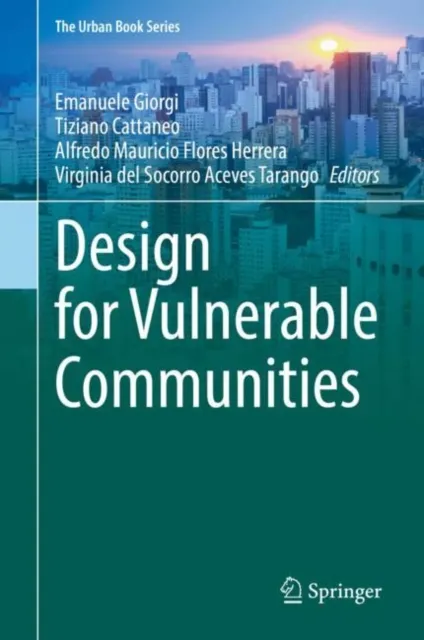
Design for Vulnerable Communities

Introduction
This book aims to provide bases for reasoning on what challenges urban-architectural design for vulnerable communities will face in the coming years. Several issues, such as technological development, climate change, political crisis and economic uncertainties show as traditional strategies and methodologies are not sufficient to deeply solve the problems of these complex realities. These new changes, which are studied in different fields of knowledge, highlight the fact that the development of effective solutions must be characterized by multidisciplinary approaches and must be based on strategies promoted by different disciplines.
Purpose and Scope
For this reason, this contributed volume collects contributions and considerations from experts in various fields of knowledge working in different parts of the world, such as the Americas, Europe and Asia. The goal is precisely to provide the reader with multidisciplinary knowledge and methodologies in order to better reflect and analyze the challenges that designing for vulnerable communities will face in the next few years. These multidisciplinary studies are organized into five sections:
Sections
- Sustainability and Vulnerabilities in Time of the Anthropocene
- Approaches, Principles and Paradigms to Contemporary Research and Practice for Vulnerable Communities
- Designing for Vulnerabilities: Applications and Actions
- Social Engagement in Vulnerable Communities Between Digital and Humanist Visions
- Vulnerabilities in Context: Analysis and Projects in the U.S.-Mexico Border Region
Target Audience
Design for Vulnerable Communities will be of interest primarily to researchers and professionals in the field of urban-architectural design, but it will also be a useful tool to policy makers and members of civil society at large interested in making cities more inclusive.