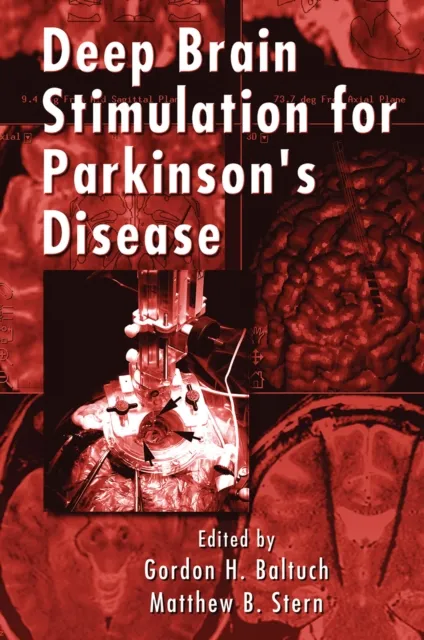
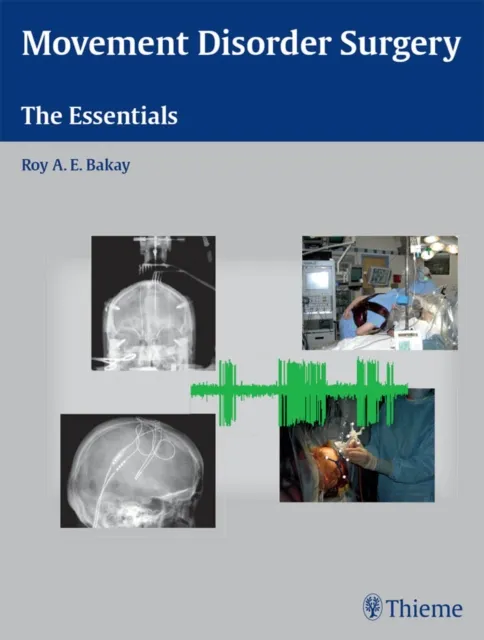
£15.99
Deep Brain Stimulation
A New Life for People with Parkinson's, Dystonia, and Essential Tremor

Introduction to Movement Disorders and Deep Brain Stimulation
In the United States, an estimated 42 million people suffer from some form of movement disorder. Common movement disorders include Parkinson's disease (PD), essential tremor (ET), and dystonia. Although medications may be helpful for these conditions, in many patients, symptoms cannot be controlled with medications alone. In such situations, their physicians may recommend a surgical procedure known as Deep Brain Stimulation (DBS). DBS is a revolutionary technology using an implanted device to deliver electrical stimulation to the brain to help symptoms, alleviate suffering, and improve quality of life. The Food and Drug Administration (FDA) approved DBS as a treatment for essential tremor in 1997, for Parkinson's disease in 2002, and dystonia in 2003.
Impact of Deep Brain Stimulation
Deep brain stimulation has dramatically changed the lives of many patients with uncontrollable tremors. Patients often can resume normal activities, such as feeding and dressing themselves, and can have active and fulfilling lives. The need for anti-tremor medications is often reduced or eliminated.
Current Use and Considerations
Though it's no longer considered experimental, DBS is, for now, still used as a second- or third-line treatment, reserved for patients with more advanced cases of the disease and those for whom medication alone is inadequate or can't be adjusted precisely enough to keep their tremors and writhing under control.
Evolution of Surgical Approach
However, the idea of this surgery being a "last resort" is an evolving concept. Ten years ago, doctors were operating on only the most severe, disabled, wheelchair-dependent patients; now they are operating on patients with moderate-to-severe cases of PD, ET, and Dystonia. The thought is that this trend will continue. Instead of saying "wait another five to ten years until you become more disabled," doctors are realizing that the earlier they use DBS, the more they can improve the quality of life of their patients.