£42.99
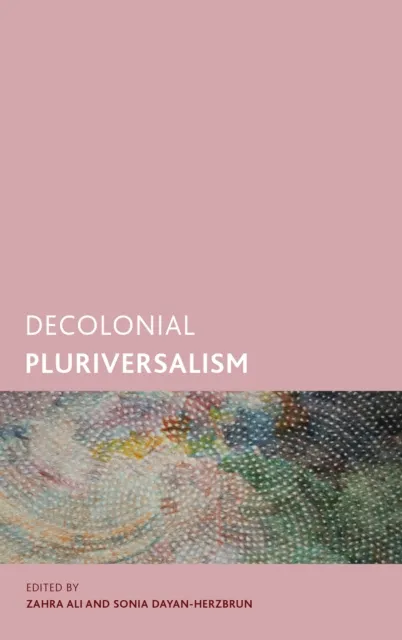
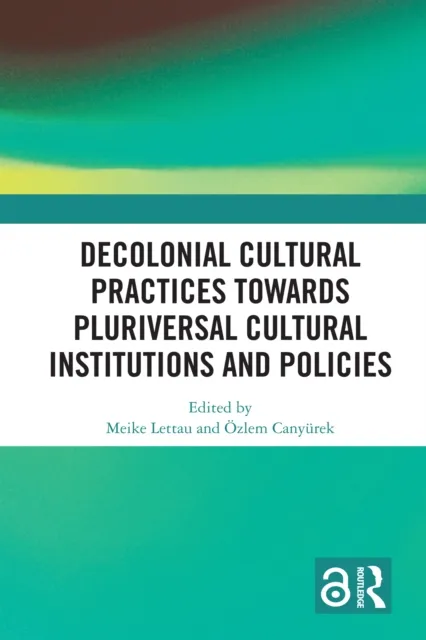
Decolonial Cultural Practices Towards Pluriversal Cultural Institutions and Policies

Book Overview
The book critically examines the epistemological disparities between colonialism and capitalism-critical cultural practices and Western art institutions. It does so through the lens of documenta 15, focusing on ruangrupa’s lumbung approach, which confronts Eurocentric cultural norms and stimulates a shift towards pluriversal horizons, demonstrating the transformative potential of alternative methodologies.
Key Insights
This book provides a comprehensive understanding of how collective methods and practices can cultivate pluriversal horizons in cultural institutions and policies, informed by extensive field research at documenta 15. The key elements of the approach include interdisciplinary perspectives, linking theory and practice and exploring under-discussed dimensions of epistemological disparities. It offers practical and theoretical insights into the development of frameworks for cultural practices and policies critical of coloniality and discrimination, recognizes the coexistence of equally valuable epistemes and aims to dismantle Eurocentric structures in the cultural sector.
Target Audience
This valuable contribution presents relevant insights for those interested in decolonial studies, diversity frameworks in cultural institutions, and individuals engaged in the critique and transformation of Eurocentric practices within the cultural sector. It will appeal to scholars, researchers and practitioners in fields such as cultural studies, sociology, political science, cultural geography, cultural policy and art education, as well as professionals and policymakers.