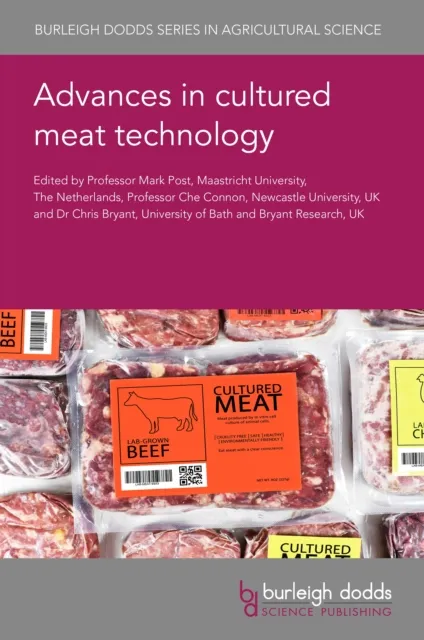
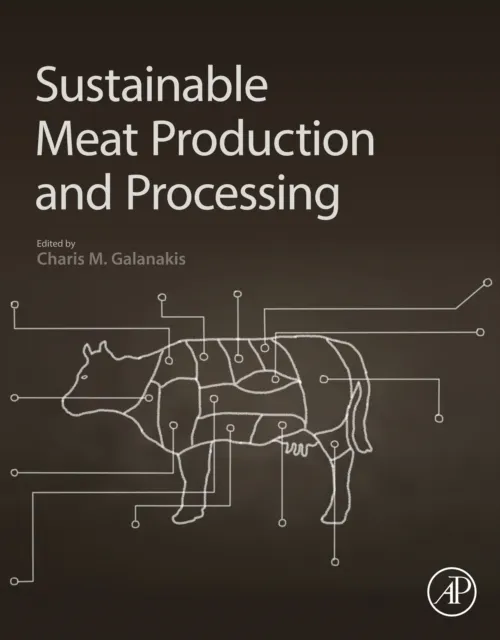
As we confront the environmental challenges of the Anthropocene, cellular agriculture has emerged as a revolutionary technology promising to reshape global food systems. Dead Meat offers a critical examination of this biotechnological shift, exploring how cultivated meat production reconfigures the relationship between life, death, and food in the context of competing ecological, social, and ethical imperatives. Elisabeth Abergel provides a compelling analysis of cultivated meat through the lens of “competing vitalities”, questioning how these new forms of food production are narrated and imagined in the Anthropocene. She delves into the sociotechnical imaginaries that promise sustainability, animal welfare, and climate resilience, while probing the tensions between these narratives and the political economy of industrial food production. Drawing on interdisciplinary perspectives from the environmental humanities, science and technology studies, political economy, and political ecology, Abergel critiques the idea that cultivated meat is a simple technological fix to the climate crisis. Instead, she exposes how these innovations both challenge and reinforce capitalist logics that dominate agricultural systems. Dead Meat is essential reading for scholars and students in environmental sociology, food politics, science and technology studies, environmental humanities, and political economy, as well as for activists and policymakers interested in sustainable food futures and planetary health.
check_circleThank you! Your feedback has been sent.
Cookie settings
A few cookies help keep your books in order.
We use essential cookies so your wishlist and account features work smoothly. Optional cookies help us understand how readers use the shop so we can improve it.