£36.39
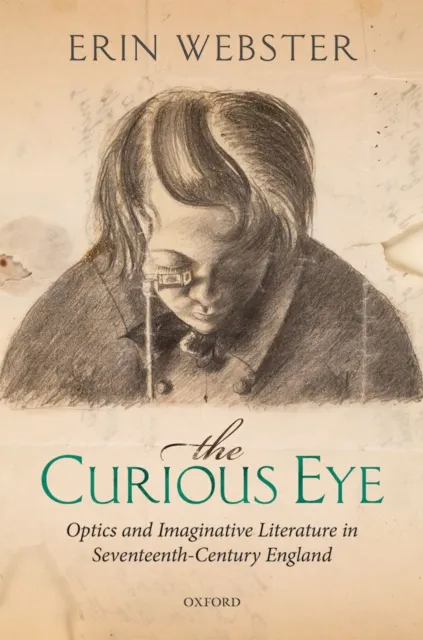
Curious Eye
Optics and Imaginative Literature in Seventeenth-Century England

Thematic Focus
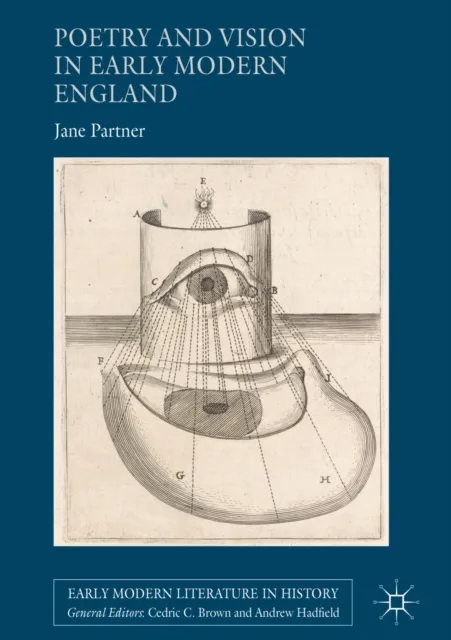
The Curious Eye explores early modern debates over two related questions: what are the limits of human vision, and to what extent can these limits be overcome by technological enhancement? In our everyday lives, we rely on optical technology to provide us with information about visually remote spaces even as we question the efficacy and ethics of such pursuits.
Historical and Literary Context
But the debates surrounding the subject of technologically mediated vision have their roots in a much older literary tradition in which the ability to see beyond the limits of natural human vision is associated with philosophical and spiritual insight as well as social and political control.
Scope of the Book
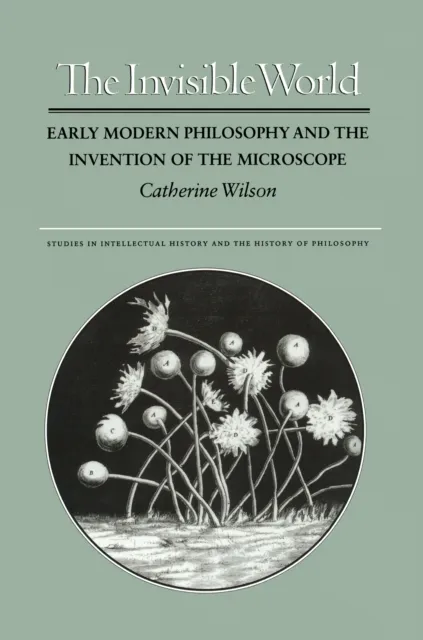
The Curious Eye provides insight into the subject of optically-mediated vision by returning to the literature of the seventeenth century, the historical moment in which human visual capacity in the West was first extended through the application of optical technologies to the eye.
Literary and Scientific Integration
Bringing imaginative literary works by Francis Bacon, John Milton, Margaret Cavendish, and Aphra Behn together with optical and philosophical treatises by Johannes Kepler, René Descartes, Robert Hooke, Robert Boyle, and Isaac Newton, the volume explores the social and intellectual impact of the new optical technologies of the seventeenth century on its literature.
Broader Implications
At the same time, it demonstrates that social, political, and literary concerns are not peripheral to the optical science of the period but, rather, an integral part of it, the legacy of which we continue to experience.