£7.99
Cross-Cultural Encounters: When Worlds Collide
Contact, Conflict, and Exchange Between Civilizations from Antiquity to Colonial Era

Throughout history, encounters between distinct cultures generated profound transformations
exchange of goods, technologies, and ideas alongside conflict, conquest, and cultural destruction. These moments of contact revealed how societies interpreted difference, negotiated power imbalances, and adapted foreign practices while defending indigenous traditions. This history examines major cross-cultural encounters, analyzing dynamics of exchange and domination that reshaped civilizations on both sides of contact. Drawing on travel accounts, missionary records, archaeological evidence, and indigenous sources, the narrative explores encounters across continents. Alexander's conquests created Hellenistic synthesis blending Greek, Persian, and Indian elements. Roman expansion incorporated Celtic, Germanic, and Near Eastern peoples into imperial framework. Islamic expansion transmitted Greek philosophy, Indian mathematics, and Chinese technologies across three continents. Mongol Empire's Pax Mongolica enabled unprecedented Eurasian exchange.
The book examines European overseas expansion's transformative impact
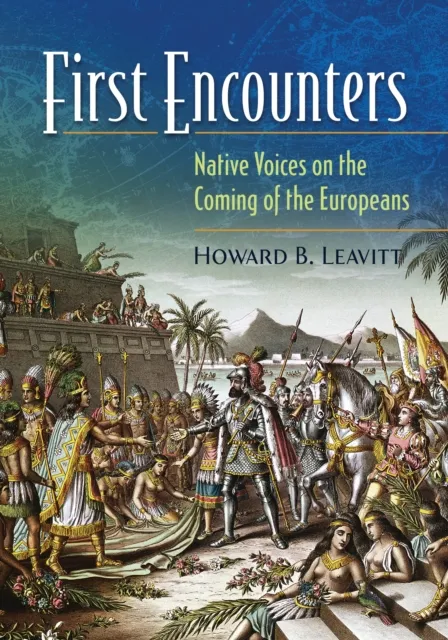
Portuguese navigators encountered African kingdoms, Asian empires, and American civilizations, initiating sustained contact that fundamentally altered global relationships. Columbian Exchange transmitted crops, animals, diseases, and peoples between hemispheres, reshaping economies, diets, and demographics worldwide. Spanish conquistadors destroyed Aztec and Inca empires through military technology, indigenous alliances, and epidemic disease. Indigenous peoples resisted, adapted, and selectively adopted European practices while maintaining cultural continuity.