£6.99
Credibility Emerges Through Demonstrated Competence Rather Than Claimed Expertise
Understanding Authority-Building Dynamics That Establish Professional Recognition Without Premature Positioning

Introduction
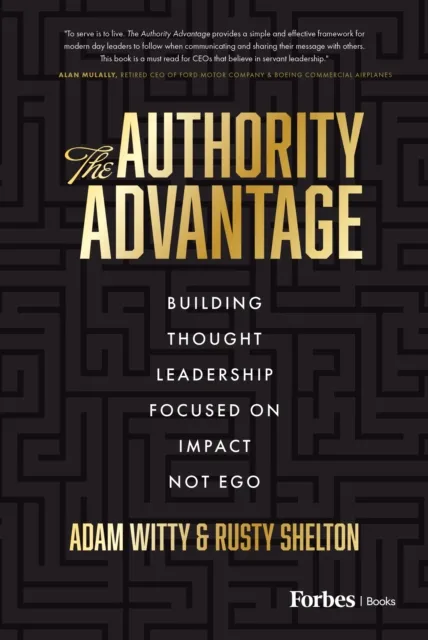
This book examines how professionals new to their fields can build legitimate authority without the exaggerated credentials and inflated positioning that undermine trust. Rather than focusing on self-promotion tactics, it explores how genuine expertise signals manifest differently than performative confidence, how audiences distinguish between substance and presentation, and why premature expert claims create skepticism that becomes difficult to overcome.
Key Insights
The exploration reveals how beginners overestimate the authority granted by certifications alone, how public demonstration of thinking processes builds credibility more effectively than curated accomplishments, and how transparent acknowledgment of knowledge boundaries paradoxically strengthens rather than weakens perceived competence. It demonstrates that sustainable authority construction operates through consistent evidence accumulation rather than declarative positioning.
Practical Applications
By analyzing credibility patterns across emerging professionals, the book shows how individuals establish recognition by addressing specific problems publicly, how they leverage documented learning journeys to demonstrate progression, and how they distinguish between helpful knowledge sharing and premature thought leadership claims that audience members perceive as presumptuous.
Strategies for Building Authority
The work addresses how to identify which competencies warrant public demonstration, how to communicate developing expertise without appearing unqualified, and how to recognize when growing capability justifies elevated positioning. This offers strategic insight for professionals seeking authentic authority through demonstrated value rather than manufactured expert personas that lack supporting evidence.