£35.69
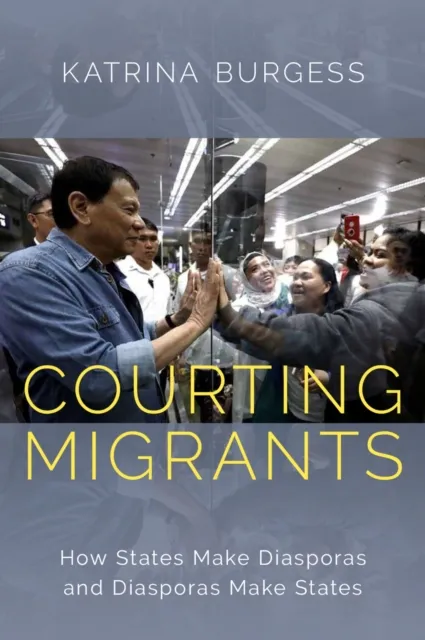
Courting Migrants
How States Make Diasporas and Diasporas Make States

Introduction
Migrants have, for some time, engaged in the politics of their homelands from a distance, but, as this book argues, politicians are increasingly looking beyond their national boundaries for electoral and political support. While migrants rarely cast decisive votes in homeland elections, they are not marginal to homeland politics. Courting Migrants looks at how extraterritorial outreach by homeland states and parties alters the boundaries of political membership and intersects with migrant agency to transform politics at home.
Key Questions
It addresses three specific questions: under what conditions and in what ways do homeland authorities reach out to migrants? How do these migrants respond? And, to what extent does their response affect homeland governance?
Author's Perspective
Katrina Burgess argues that globalization and the spread of democracy since the 1970s have encouraged politicians in the Global South to reach out to migrants in search of economic resources, foreign policy support, and/or electoral advantage. They do so by cultivating feelings of loyalty that induce some kinds of migrant engagement while discouraging others.
Factors Influencing Success
Whether or not these politicians succeed depends on where migrants are located, how many resources they have, what kinds of identities they value, and why they left their homeland in the first place. This interaction between outreach and engagement has implications, in turn, for how migrants are responding to the current wave of populism and authoritarianism around the globe.
Research Basis
The book is based on in-depth research on state-migrant relations in four high-migration countries: Turkey, Dominican Republic, Philippines, and Mexico.