£46.99
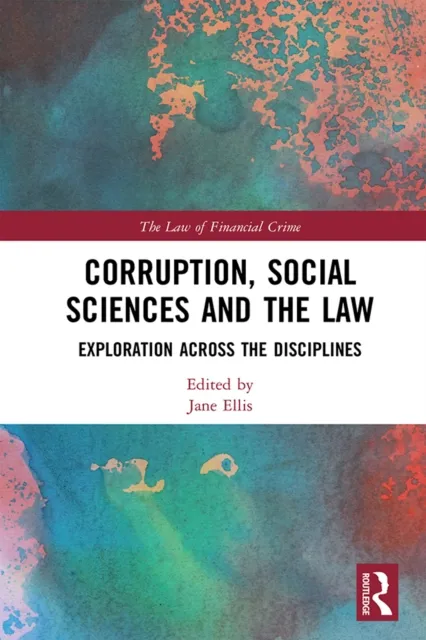
Corruption, Social Sciences and the Law
Exploration across the disciplines

The Problem of Corruption
The problem of corruption, however described, dates back thousands of years. Professionals working in areas such as development studies, economics and political studies, were the first to most actively analyse and publish on the topic of corruption and its negative impacts on economies, societies and politics. There was, at that time, minimal literature available on corruption and the law.
Current Literature and Challenges
The literature and discussion on bribery and corruption, as well as on the negative impact of each and what is required to address them, particularly in the legal context, are now considerable. Corruption and anti-corruption are multifaceted and multi-disciplinary. The focus now on the law and compliance, and perhaps commercial incentives, is relatively easy. However, corruption, anti-corruption and the motivations for them are complex. If we continue to discuss, debate, engage, address corruption and anti-corruption in our own disciplinary silos, we are unlikely to significantly progress the fight against corruption.
Disciplinary Perspectives and Questions
What do terms such as “culture of integrity”, “demand accountability”, “transparency and accountability” and “ethical corporate culture” dominating the anti-corruption discourse mean, if anything, in other disciplines? If they are meaningless, what approach would practitioners in those other disciplines suggest be adopted to address corruption? What has their experience been in the field? How can the work of each discipline contribute to the work of whole and, as such, improve our work in and understanding of anti-corruption?
Purpose of the Book
This book seeks to answer these questions and to understand the phenomenon more comprehensively. It will be of value to researchers, academics, lawyers, legislators and students in the fields of law, anthropology, sociology, international affairs, and business.