£12.90
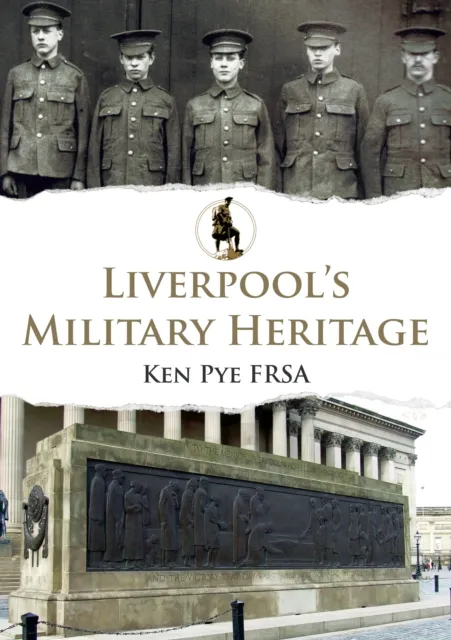
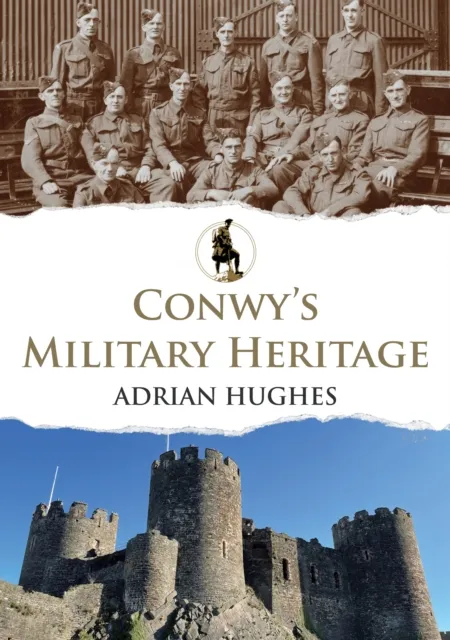
Conwy's Military Heritage

Conwy's Military History
Conwy has been involved in military conflict for over 2,000 years. The Iron Age hill fort of Caer Seion defended the area from the sixth century BC. Many slingshot stones have been discovered here, attesting to troubled times. In 881 the Welsh defeated an Anglo-Saxon army led by Aethelred of Mercia. The most spectacular outcome of Conwy’s strategic military significance at the mouth of the River Conwy was Edward I’s mighty castle, creating a walled town. In 1399 Richard II sought refuge in Conwy Castle against the future Henry IV’s forces and the castle was besieged again during the English Civil War by Parliamentary forces. An army camp was established at Morfa in the nineteenth century, becoming home to the Salford Pals and the Royal Engineers in the First World War and a Polish resettlement camp after the First World War. During the war, the sulphur mine at Caer Coch was the country’s largest producer of sulphur, vital for munitions. Conwy also played a vital role in the Second World War as Mulberry Harbours, crucial for the Normandy landings, were initially designed and then assembled here, and Ratcliffe Engineering built parts for Beaufighter and Halifax aircraft. The town was also a centre of prisoner-of-war camps in the area and despite some accounts of conflict between townsfolk and prisoners, relations were generally harmonious and some ex-prisoners married and settled in the area after the war.
This book will be of interest to all those who would like to know more about Conwy’s remarkable military history.