£69.99
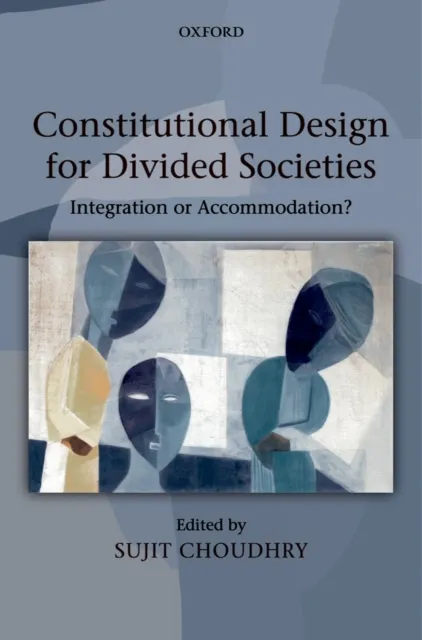
Constitutional Design for Divided Societies
Integration or Accommodation?

How should constitutional design respond to the opportunities and challenges raised by ethnic, linguistic, religious, and cultural differences, and do so in ways that promote democracy, social justice, peace and stability?
This is one of the most difficult questions facing societies in the world today. There are two schools of thought on how to answer this question. Under the heading of accommodation, some have argued for the need to recognize, institutionalize and empower differences. There are a range of constitutional instruments available to achieve this goal, such as multinational federalism and administrative decentralization, legal pluralism (e.g. religious personal law), other forms of non-territorial minority rights (e.g. minority language and religious education rights), consociationalism, affirmative action, legislative quotas, etc.
But others have countered that such practices may entrench, perpetuate and exacerbate the very divisions they are designed to manage. They propose a range of alternative strategies that fall under the rubric of integration that will blur, transcend and cross-cut differences. Such strategies include bills of rights enshrining universal human rights enforced by judicial review, policies of disestablishment (religious and ethnocultural), federalism and electoral systems designed specifically to include members of different groups within the same political unit and to disperse members of the same group across different units, are some examples.
In this volume, leading scholars of constitutional law, comparative politics and political theory address the debate at a conceptual level, as well as through numerous country case-studies, through an interdisciplinary lens, but with a legal and institutional focus.