£36.00
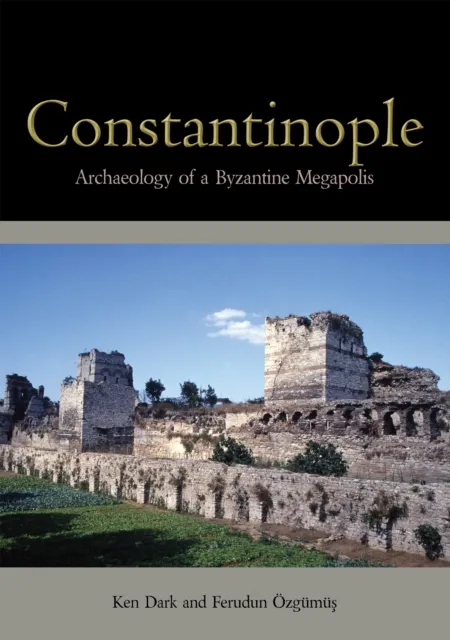
Constantinople
Archaeology of a Byzantine Megapolis

Istanbul and Constantinople
Istanbul, Europe’s largest city, became an urban centre of exceptional size when it was chosen by Constantine the Great as a new Roman capital city. Named Constantinople after him, the city has been studied through its rich textual sources and surviving buildings, but its archaeology remains relatively little known compared to other great urban centres of the ancient and medieval worlds.
About the Book
Constantinople: Archaeology of a Byzantine Megapolis is a major archaeological assessment of a key period in the development of this historic city. It uses material evidence, contemporary developments in urban archaeology and archaeological theory to explore over a thousand years of the city’s development.
Moving away from the scholarly emphasis on the monumental core or city defences, the volume investigates the inter-mural area between the fifth-century land walls and the Constantinian city wall – a zone which encompasses half of the walled area but which has received little archaeological attention.
Research and Themes
Utilizing data from a variety of sources, including the Istanbul Rescue Archaeology Project created to record material threatened with destruction, the analysis proposes a new model of Byzantine Constantinople. A range of themes are explored including the social, economic and cognitive development, Byzantine perceptions of the city, the consequences of imperial ideology and the impact of self-organization brought about by many minor decisions.
Significance
Constantinople casts new light on the transformation of an ancient Roman capital to an Orthodox Christian holy city and will be of great importance to archaeologists and historians.