£109.50
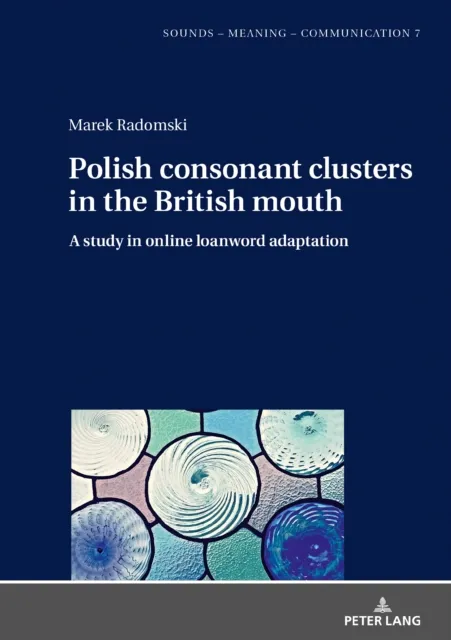
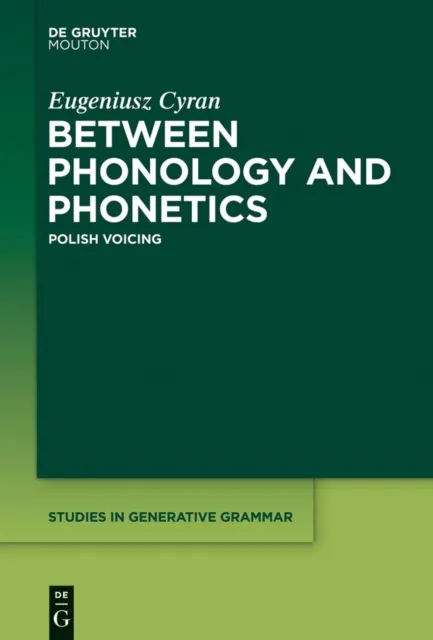
Complexity in Polish Phonotactics
On Features, Weights, Rankings and Preferences

Overview of the Book
This book provides a refreshing perspective on the description, study and representation of consonant clusters in Polish. What are the sources of phonotactic complexity? What properties or principles motivate the phonological structure of initial and final consonant clusters? In answering these questions, a necessary turning point consists in investigating sequences of consonants at their most basic level, namely in terms of phonological features. The analysis is exploratory: it leads to discovering prevalent feature patterns in clusters from which new phonotactic generalizations are derived.
Phonological Features and Their Variability
A recurring theme in the book is that phonological features vary in weight depending on (1) their distribution in a cluster, (2) their position in a word, and (3) language domain. Positional feature weight reflects the relative importance of place, manner and voice features (e.g. coronal, dorsal, strident, continuant) in constructing cluster inventories, minimizing cognitive effort, facilitating production and triggering specific casual speech processes. Feature weights give rise to previously unidentified positional preferences. Rankings of features and preferences are a testing ground for principles of sonority, contrast, clarity of perception and ease of articulation.
Target Audience and Practical Applications
This volume addresses practitioners in the field seeking new methods of phonotactic modelling and approaches to complexity, as well as students interested in an overview of current research directions in the study of consonant clusters. Sequences of consonants in Polish are certainly among the most remarkable ones that readers will ever encounter in their linguistic explorations. In this volume, they will come to realise that hundreds of unusually long, odd-looking, sonority-violating, morphologically complex and infrequent clusters are in fact well-motivated and structured according to well-defined tactic patterns of features.