£12.00
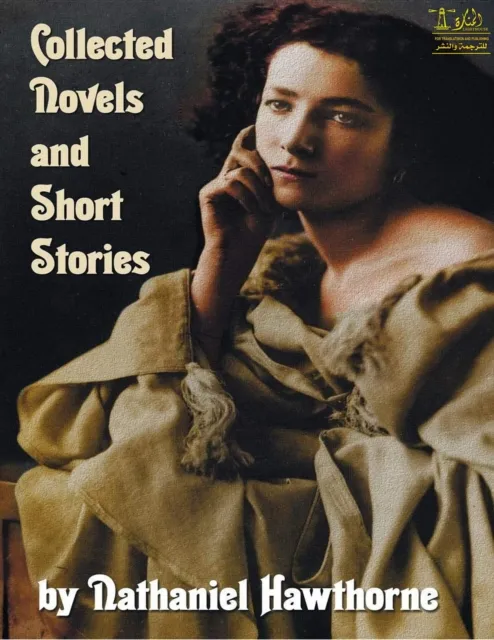
Complete Works of Nathaniel Hawthorne Text, Summary, Motifs and Notes (Annotated)

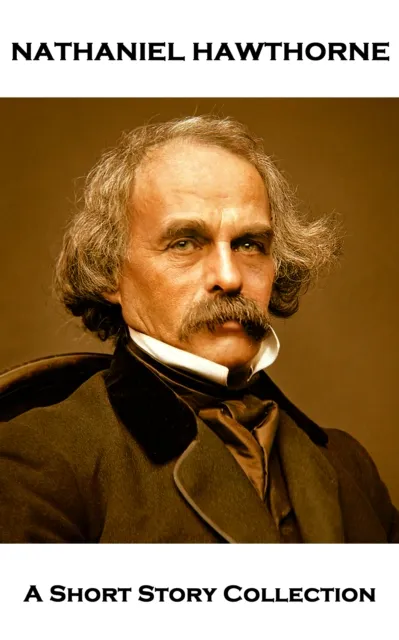
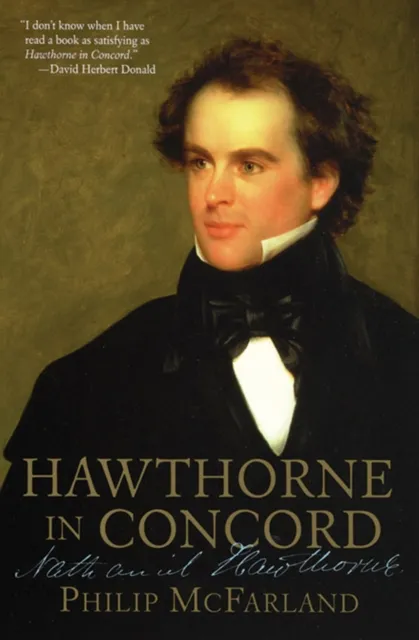
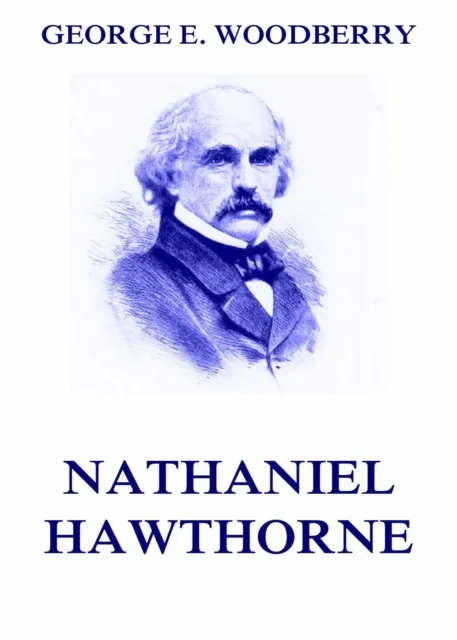
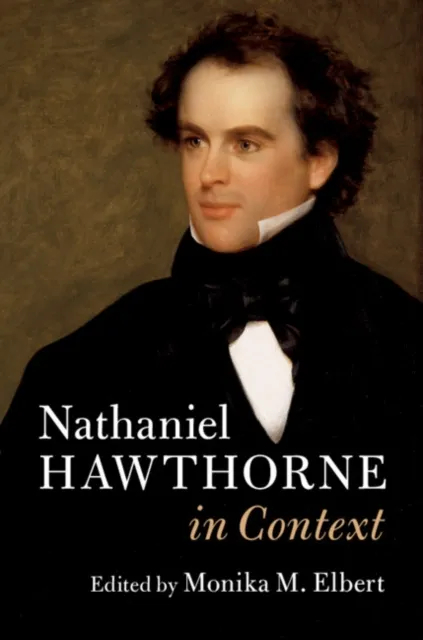
Nathaniel Hawthorne, (born July 4, 1804, Salem, Mass., U.S.—died May 19, 1864, Plymouth, N.H.), American novelist and short-story writer who was a master of the allegorical and symbolic tale. One of the greatest fiction writers in American literature, he is best known for The Scarlet Letter (1850) and The House of the Seven Gables (1851).
Early years
Hawthorne’s ancestors had lived in Salem since the 17th century. His earliest American ancestor, William Hathorne (Nathaniel added the w to the name when he began to write), was a magistrate who had sentenced a Quaker woman to public whipping. He had acted as a staunch defender of Puritan orthodoxy, with its zealous advocacy of a “pure,” unaffected form of religious worship, its rigid adherence to a simple, almost severe, mode of life, and its conviction of the “natural depravity” of “fallen” man. Hawthorne was later to wonder whether the decline of his family’s prosperity and prominence during the 18th century, while other Salem families were growing wealthy from the lucrative shipping trade, might not be a retribution for this act and for the role of William’s son John as one of three judges in the Salem witchcraft trials of 1692. When Nathaniel’s father—a ship’s captain—died during one of his voyages, he left his young widow without means to care for her two girls and young Nathaniel, aged four. She moved in with her affluent brothers, the Mannings. Hawthorne grew up in their house in Salem and, for extensive periods during his teens, in Raymond, Maine, on the shores of Sebago Lake. He returned to Salem in 1825 after four years at Bowdoin College, in Brunswick, Maine. Hawthorne did not distinguish himself as a young man. Instead, he spent nearly a dozen years reading and trying to master the art of writing fiction.
First works
In college Hawthorne had excelled only in composition and had determined to become a writer. Upon graduation, he had written an amateurish novel, Fanshawe, which he published at his own expense—only to decide that it was unworthy of him and to try to destroy all copies. Hawthorne, however, soon found his own voice, style, and subjects, and within five years of his graduation he had published such impressive and distinctive stories as “The Hollow of the Three Hills” and “An Old Woman’s Tale.” By 1832, “My Kinsman, Major Molineux” and “Roger Malvin’s Burial,” two of his greatest tales—and among the finest in the language—had appeared. “Young Goodman Brown,” perhaps the greatest tale of witchcraft ever written, appeared in 1835.
II. Fanshawe
III. The Scarlet Letter
IV. The House of the Seven Gables
V. The Blithedale Romance
VI. The Marble Faun
VII. Doctor Grimshawe's Secret: a Romance
VIII. Twice-Told Tales
IX. Mosses from an Old Manse
X. The Snow Image and other stories
XI. Tales
XII. Alice Doane’s Appeal
XIII. The Ancestral Footstep
XIV. The Dolliver Romance
XV. Septimius Felton
XVI. Life of Franklin Pierce
XVII. Chiefly about War Matters