£19.99
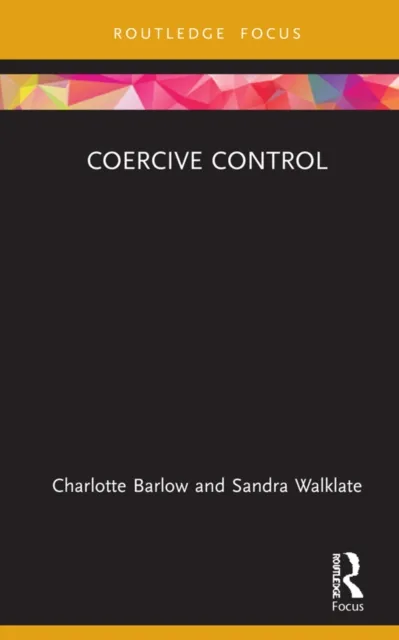
Coercive Control

Overview
This book offers a critical appreciation of the nature and impact of coercive control in interpersonal relationships. It examines what this concept means, who is impacted by the behaviours it captures, and how academics, policymakers, and policy advocates have responded to the increasing recognition of the deleterious effects that coercive control has on especially women’s lives.
Historical and Theoretical Context
The book discusses the historical emergence of this concept, who its main proponents have been, and how its effects have been understood. It considers the role of coercive control in making sense of women’s pathway into crime as well as their experiences of it as victims. Coercive control has been presented predominantly as a gendered process, and consideration is given in this book to the efficacy of this assumption as well as the extent to which the concept makes sense for a wide constituency of marginalized women.
Legal and Policy Implications
In recent years, much energy has been given to efforts to criminalize coercive control, and the concerns that these efforts generate are discussed in detail, alongside what the limitations to such initiatives might be. In conclusion, the book situates the rising pre-occupation with coercive control within the broader concerns with policy transfer, ways of taking account of victim-survivor voices, alongside the importance of working towards more holistic policy responses to violence(s) against women.
Target Audience
The book will be of particular interest to academics, policymakers, and practitioners working in criminal justice who wish to understand both the nature and extent of coercive control and the importance of appreciating the role of nuance in translating that understanding into practice.