£139.50
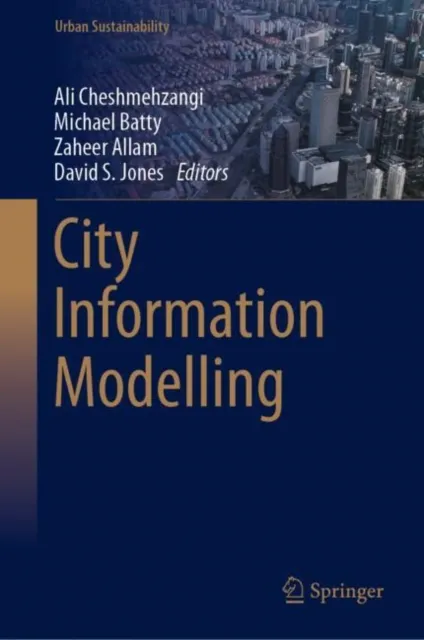
City Information Modelling

Introduction
This is the first book focused on City Information Modelling (CIM) that puts together a collection of recent studies related to concepts and trends in CIM, application and digitization processes/methods, and frameworks and practices of CIM. This emerging topic is important to various research and practice under sectors of the built environment, civil engineering, urban planning, urban design, and urban management. CIM aligns well with smart cities, data-driven urban analytics and optimization, information-based city planning, and future development paradigms.
Content Overview
City Information Modelling provides global case study examples in three parts. At first, the contributors offer several examples of ‘Concepts and Trends’, where CIM is explored further in urban management, urban sustainability, and big data studies. In the second part, the book offers various examples of application and digitization processes or methods related to urban planning and design practices. In the third part, the contributors delve into several examples of CIM frameworks and practices critical to contemporary research, planning and design paradigms, and future practices.
Target Audience
This collection is a niche resource for various stakeholders, particularly urban scientists, urban analytics, urban practitioners, and researchers. It will also be a valuable collection for those who work with information-based models, urban optimization models, and big data analytics, particularly from policy and practice perspectives. The findings of this collection help direct future research in CIM and suggest opportunities for big-data urban research, integrated urban models, and holistic frameworks in sustainable cities, smart cities, and future cities.