£38.00
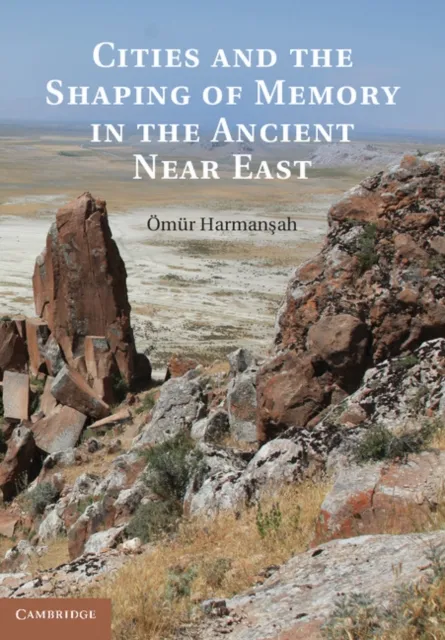
Cities and the Shaping of Memory in the Ancient Near East

Introduction
This book investigates the founding and building of cities in the ancient Near East. The creation of new cities was imagined as an ideological project or a divine intervention in the political narratives and mythologies of Near Eastern cultures, often masking the complex processes behind the social production of urban space.
Historical Context
During the Early Iron Age (c.1200–850 BCE), Assyrian and Syro-Hittite rulers developed a highly performative official discourse that revolved around constructing cities, cultivating landscapes, building watercourses, erecting monuments and initiating public festivals.
Methodology and Evidence
This volume combs through archaeological, epigraphic, visual, architectural and environmental evidence to tell the story of a region from the perspective of its spatial practices, landscape history and architectural technologies.
Key Arguments
It argues that the cultural processes of the making of urban spaces shape collective memory and identity as well as sites of political performance and state spectacle.