£48.99
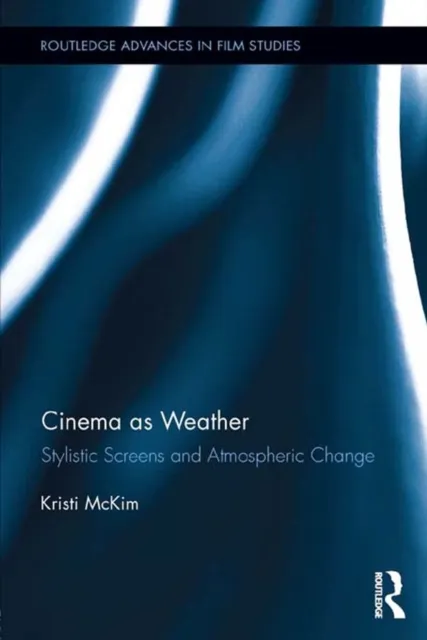
Cinema as Weather
Stylistic Screens and Atmospheric Change

How do cinematic portrayals of the weather reflect and affect our experience of the world?
While weatherly predictability and surprise can impact our daily experience, the history of cinema attests to the stylistic and narrative significance of snow, rain, wind, sunshine, clouds, and skies. Through analysis of films ranging from The Wizard of Oz to The Umbrellas of Cherbourg, from Citizen Kane to In the Mood for Love, Kristi McKim calls our attention to the ways that we read our atmospheres both within and beyond the movies.
Building upon meteorological definitions of weather's dynamism and volatility
This book shows how film weather can reveal character interiority, accelerate plot development, inspire stylistic innovation, comprise a momentary attraction, convey the passage of time, and idealize the world at its greatest meaning-making capacity (unlike our weather, film weather always happens on time, whether for tumultuous, romantic, violent, suspenseful, or melodramatic ends).
Akin to cinema's structuring of ephemera
Cinematic weather suggests aesthetic control over what is fleeting, contingent, wildly environmental, and beyond human capacity to tame. This first book-length study of such a meteorological and cinematic affinity casts film weather as a means of artfully and mechanically conquering contingency through contingency, of taming weather through a medium itself ephemeral and enduring.
Using film theory, history, formalist/phenomenological analysis, and eco-criticism
This book casts cinema as weather, insofar as our skies and screens become readable through our interpretation of changing phenomena.