£149.50
Cellular and Biochemical Mechanisms of Obesity

Global health challenges and obesity
Global health has been challenged with the dawning of the era of the obesity epidemic, and thus as a consequence, strategies to reduce obesity have become public health priorities. According to the United Nations, obesity has been identified as a concern for achieving Sustainable Development Goals. Obesity is a serious health problem with an increased risk of several common diseases including diabetes, cardiovascular disease, and cancer. Although the fundamental cause of obesity and overweight is an imbalance between calorie intake and calorie expenditure, the underlying biochemical and metabolic processes that cause obesity are not fully understood.
Previous volumes and focus of this book
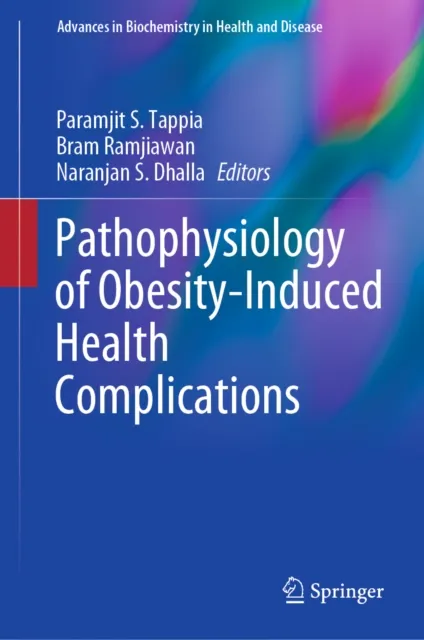
Two earlier volumes dedicated to the subject of obesity, published in the series “Advances in Biochemistry in Health and Disease” focused on the pathophysiology of obesity-induced health complications and the biochemistry of cardiovascular dysfunction in obesity. This book brings together contributions from international experts in the field to describe advancements on the mechanisms leading to development of obesity and related complications. There are 21 chapters in two different parts in this book, comprising of Part I: Pathophysiologic Mechanisms of Obesity (11 chapters) and Part II: Therapeutic Mechanisms of Obesity (10 chapters).
Intended audience and significance
This book will serve as a resource and be of interest to health professionals, medical students, fellows, residents and graduate students. It will also evoke innovative research and effective approaches for the prevention of obesity. This volume will accentuate that obesity is a major health hazard in its own right and that appropriate public health measures should be implemented to prevent or reduce or even reverse the impact of this global chronic disease.