£38.99
Capitol Riots
Digital Media, Disinformation, and Democracy Under Attack

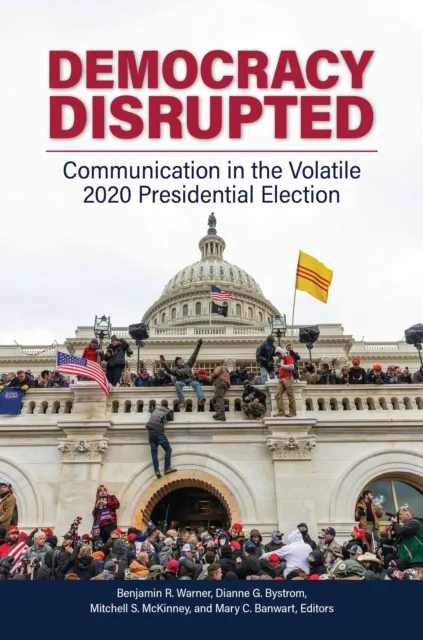
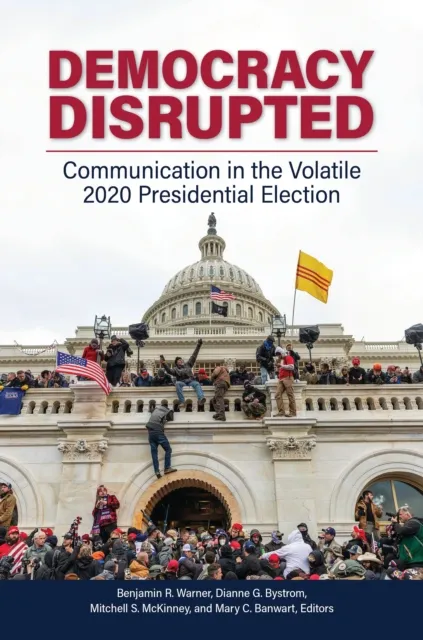
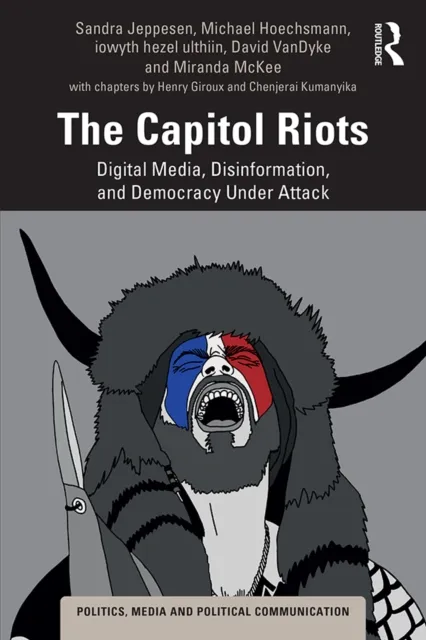
The Capitol Riots maps out the events of the January 6, 2021 insurrectionary riots at the United States Capitol building, providing context for understanding the contributing factors and ongoing implications of the uprising.
This definitive text explores the rise of populism, disinformation, conspiracy theories, the alt-right, and white supremacy during the lead-up to and planning of the Stop the Steal campaign, as well as the complex interplay during the riots of political performances, costumes, objectives, communications, digital media, datafication, race, gender, and—ultimately—power. Assembling raw data from social media, selfie photos and videos, and mainstream journalism, the authors develop a timeline and data visualizations representing the events. They delve into the complex, openly shared narratives, motivations, and actions of people on the ground that day who violated the symbolic center of U.S. democracy. An analysis of visual data reveals an affective outpouring of mutually amplifying expressions of frustration, fear, hate, anger, and anomie that correspond to similar logics and counter-logics in the polarized and chaotic contemporary media environment that have only been intensified by COVID-19 lockdowns, conspiracy theories, and a call to action at the Capitol from the outgoing POTUS and his inner circle.
The book will appeal to both a general audience of those curious about how and why the Capitol riots unfolded and to students and scholars of communications, political science, media studies, sociology, education, surveillance studies, digital humanities, gender studies, critical whiteness studies, and datafication studies. It will also find an audience within computer science and technology studies through its approach to big data, data visualization, AI, algorithms, data tracking, and other data sciences.