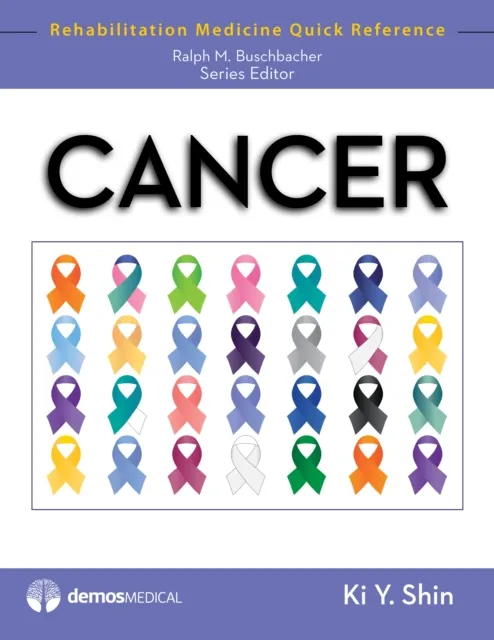
£79.50
Cancer Rehabilitation
A Concise and Portable Pocket Guide

Overview
Finally, a concise pocket guide designed as a quick reference for busy clinicians who seek to improve the care they provide to cancer patients and cancer survivors. It is a comprehensive text formatted for fast access to a wide range of clinical information. This compact compendium is conveniently organized by cancer type for rapid review. It describes the many issues that cancer patients may face throughout the chronologic spectrum of care, starting from cancer diagnosis, to treatment, and survivorship.
Features
Each chapter helpfully highlights common impairments and treatment options using succinct tables, helpful illustrations and clinical peals from experts in the field. In addition, each chapter contains a clinical case and questions on the material to enhance understanding. Evidence for exercise treatment, including pertinent exercise precautions, is included, as are innovative research topics and emerging treatments. This includes dedicated chapters covering cancers of the breast; digestive organs; brain, eye, and central nervous system; urinary tract and genital organs; lip, oral cavity, and pharynx; lymphoid, hematopoietic, and related tissues; bone, articular cartilage, and soft tissues; respiratory and intrathoracic organs; skin.
Importance of Cancer Rehabilitation
Thankfully, advances in cancer care such as chemotherapy, radiation, and surgery mean that more people than ever before are surviving long after their cancer diagnosis. Unfortunately, a large fraction of them live with at least one serious impairment as a consequence of their treatments that seriously impacts their ability to function and quality of life. This concise and essential guide to cancer rehabilitation will help the clinician navigate the care of this often complex population.