£109.50
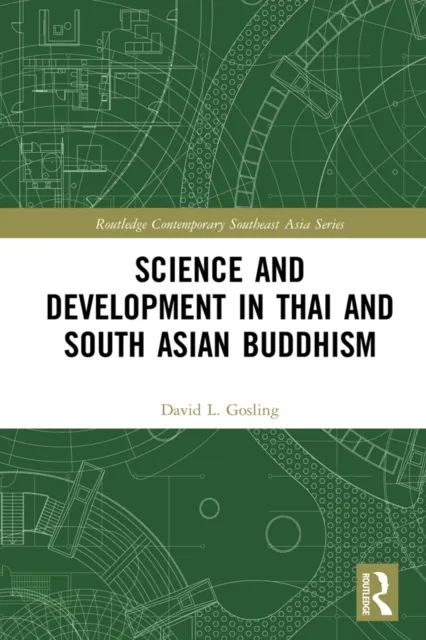
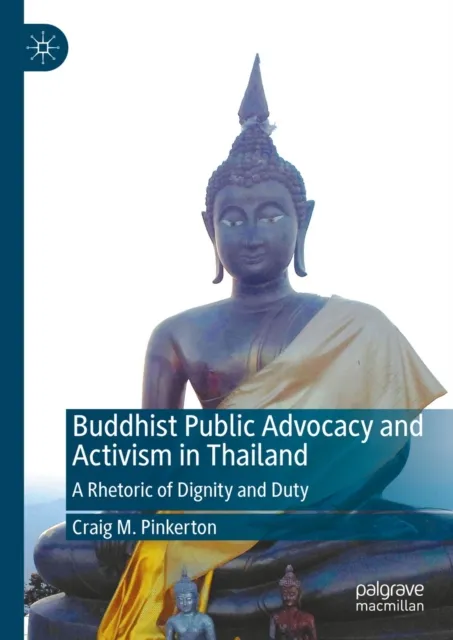
Buddhist Public Advocacy and Activism in Thailand
A Rhetoric of Dignity and Duty

Study Focus and Context
This book studies Buddhist public advocacy and activism in Thailand—a movement often broadly called socially engaged Buddhism—from the perspective of rhetorical studies, specifically, on humanizing and dehumanizing communication practices. In modern Thailand and historical Siam, Buddhism has been integral to the social change processes shaping civil society and an emerging democracy.
Research Questions and Findings
This study examined two problems: How do contemporary Buddhists in Thailand use rhetorical practice to influence the way the issues they work on are understood, and how do these Buddhists justify their advocacy and activism in rhetorical practice? To the first, a rhetoric of dignity, or humanization, was the central answer. To the second, a rhetoric of duty was the central answer.
Implications and Perspectives
For researchers in Southeast Asian Studies, Thai Studies, and Buddhist Studies, this book offers a fresh perspective on socially engaged Buddhism through the lens of the communication discipline. For researchers in Psychology and Communication, it sheds light on the understudied practices of humanizing communication. The bulk of the current research is focused on its opposite—dehumanization—and most of this literature is in the field of psychology even though humanization and dehumanization are fundamentally and ontologically communication phenomena.
For researchers within the field of Communication and Rhetorical Studies, this book advances innovations in the emerging practices of rhetorical field methods by applying rhetorical criticism to interview data in a new way and provides a non-western perspective on communication and rhetorical theory for which there has been continual calls.