£119.50
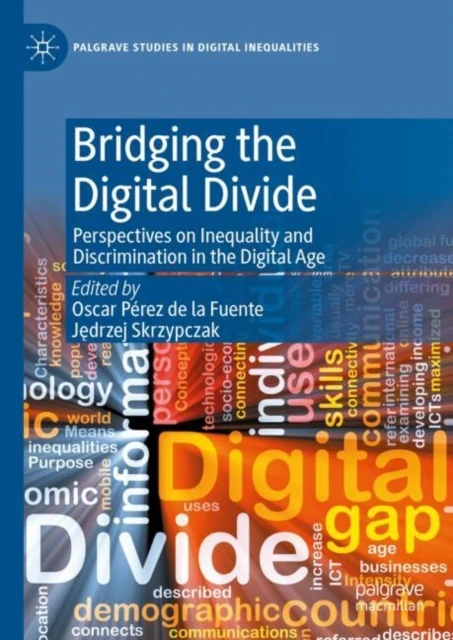
Bridging the Digital Divide
Perspectives on Inequality and Discrimination in the Digital Age

Introduction
The digital revolution has sparked a new wave of inequality, particularly in access to technology and its benefits. Understanding these disparities is vital for grasping their impact on contemporary society. One manifestation is through artificial intelligence, algorithms, and misinformation.
Biases in AI and Algorithms
AI-driven systems, used in decision-making like job applications and loan approvals, can exhibit biases due to skewed datasets. Algorithms also spread false information on social media platforms with minimal oversight.
Digital Labor and Platform Economy
Digital labor and the platform economy exacerbate inequality. While platforms like Uber and Airbnb offer income opportunities, workers lack basic protections like minimum wage laws. Additionally, personal data is often exploited without consent.
Cybersecurity and Digital Vulnerabilities
Cybersafety and cybercrime further highlight digital inequalities. Some have access to robust security measures, while others lack basic knowledge, leaving them vulnerable to exploitation.
Economic Barriers and Data Collection
Economic barriers also hinder participation in gaming and other digital spaces. Big data collection practices can deepen existing disparities, especially regarding socioeconomic status and demographics.
Conclusion
Public policies must address these issues to ensure equal access to technology for all. This book aims to shed light on these disparities and develop solutions for a more equitable technological landscape.