£129.50
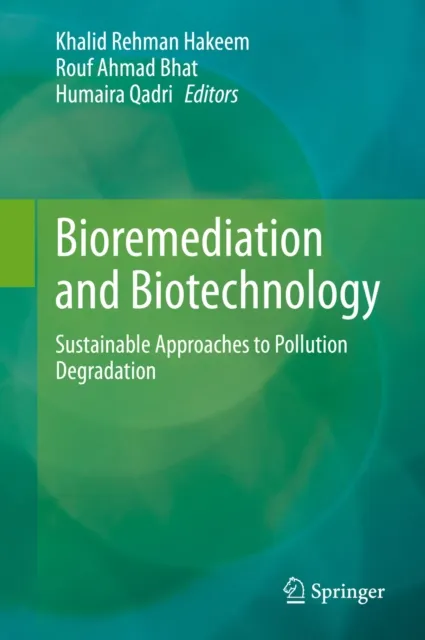
Bioremediation and Biotechnology
Sustainable Approaches to Pollution Degradation

Introduction
Toxic substances threaten aquatic and terrestrial ecosystems and ultimately human health. The book is a thoughtful effort in bringing forth the role of biotechnology for bioremediation and restoration of the ecosystems degraded by toxic and heavy metal pollution.
Pollution and Monitoring
The introductory chapters of the book deal with the understanding of the issues concerned with the pollution caused by toxic elements and heavy metals and their impacts on the different ecosystems followed by the techniques involved in monitoring of the pollution. These techniques include use of bio-indicators as well as modern techniques for the assessment and monitoring of toxicants in the environment.
Role of Biota and Plants
Detailed chapters discussing the role of microbial biota, aquatic plants, terrestrial plants to enhance the accumulation efficiency of these toxic and heavy metals are followed by remediation techniques involving myco-remediation, bio-pesticides, bio-fertilizers, phyto-remediation and rhizo-filtration.
Advanced Bio-remediation Techniques
A sizable portion of the book has been dedicated to the advanced bio-remediation techniques which are finding their way from the laboratory to the field for revival of the degraded ecosystems. These involve bio-films, micro-algae, genetically modified plants and filter feeders.
Treatment Technologies
Furthermore, the book is a detailed comprehensive account for the treatment technologies from unsustainable to sustainable. We believe academicians, researchers and students will find this book informative as a complete reference for biotechnological intervention for sustainable treatment of pollution.