£139.50
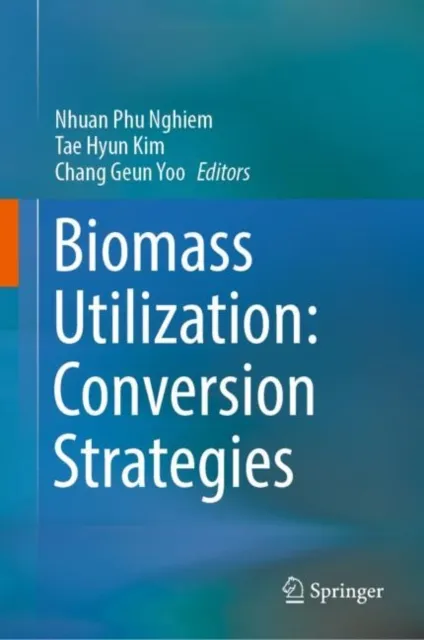
Biomass Utilization: Conversion Strategies

Book Focus and Technologies
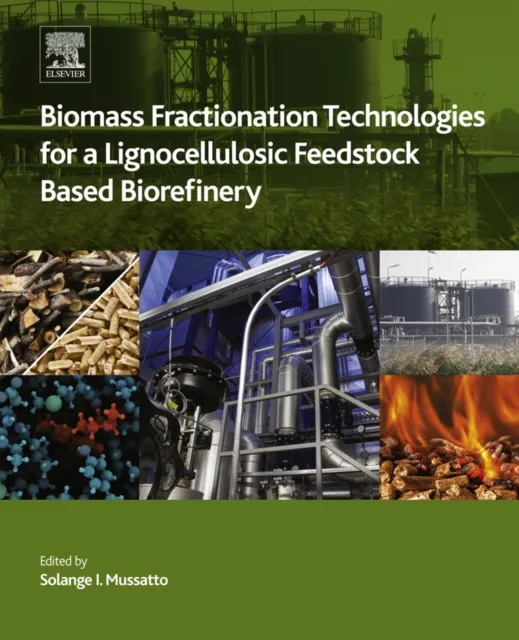
This book focuses on the technologies developed for the conversion of all three biomass components, i.e. cellulose, hemicellulose and lignin, and their constituents, to fuels and high-value products. Both biochemical and thermochemical approaches are reviewed. Additionally, the developed technologies are described in detail and their potential applications as well as their commercial status are discussed.
Historical Context of Ethanol Production
The early attempts to produce fuel ethanol from lignocellulosic biomass feedstock focused solely on the biological conversion of cellulose because the only organism that had been used successfully for commercial production of ethanol, i.e. Saccharomyces cerevisiae, could only ferment glucose, which was obtained from the hydrolysis of cellulose. Hemicellulose and lignin were considered as wastes in these processes and were normally removed in pretreatment processes to enhance enzymatic hydrolysis of the remaining cellulose.
Development of the Biorefinery Concept
However, this approach was not economically feasible and as a result, the biorefinery concept was developed. In a biorefinery, in addition to ethanol, various higher-value products are produced from hemicellulose and lignin, which were previously not considered. Consequently, technologies were developed for the fractionation of biomass and conversion of hemicellulose and lignin to fuels and high-value products to improve the economic feasibility.
About the Book
Written and edited by a team of investigators with many years of experience in biomass processing research and development, this book is an informative resource for postgraduate students and researchers interested in biorefinery and biofuel technologies both in academia- and commercial laboratories.