£139.50
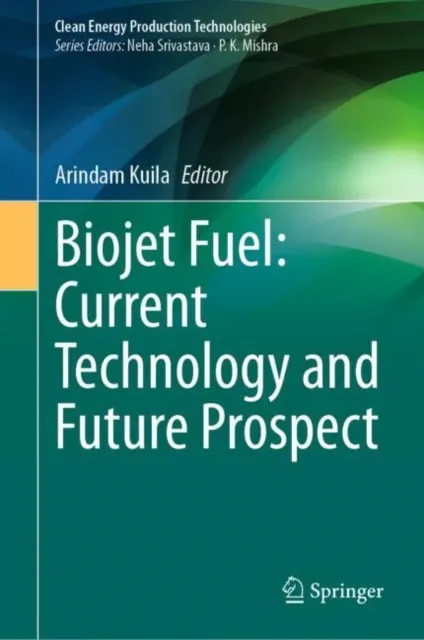
Biojet Fuel: Current Technology and Future Prospect

Introduction to Biojet Fuel
This book covers the basic knowledge of biojet fuel, explores the current technological status, and presents future prospects for commercial biojet fuel production. The focus of this book is on biojet fuel production from different types of potential substrates. It also includes technoeconomic analysis and life cycle assessment of biojet fuel. Biojet fuel is currently recognized as the best alternative to petroleum-based jet fuel due to its renewability and sustainable features. However, there is a scarcity of reports on biojet fuel production from various types of substrates.
Global Jet Fuel Consumption and Challenges
The aviation industry globally consumes approximately 200 million tonnes of jet fuels each year, with a projected continuous growth rate of 5% per year until 2050 (Seymour et al., 2020). Currently, the global demand for jet fuel is predominantly met by petroleum-based fuels. However, the limited availability of fossil fuels and increasing concerns about climate change have placed significant pressure on commercial airlines to reduce greenhouse gas emissions and embrace cleaner and more sustainable practices.
Advantages and Development of Biojet Fuel
Biojet fuel has emerged as the most favorable alternative to petroleum-based jet fuel due to its renewable nature and sustainable characteristics. Despite its potential, there is a limited number of reports available on the production of biojet fuel from different types of substrates. The present scenario of biojet fuel necessitates the development of improved and cost-effective technologies that can yield long-term benefits.
Target Audience
The book is useful for students and researchers in various branches of life sciences, including environmental biotechnology, bioprocess engineering, renewable energy, chemical engineering, nanotechnology, biotechnology, microbiology, and more.