£3.99
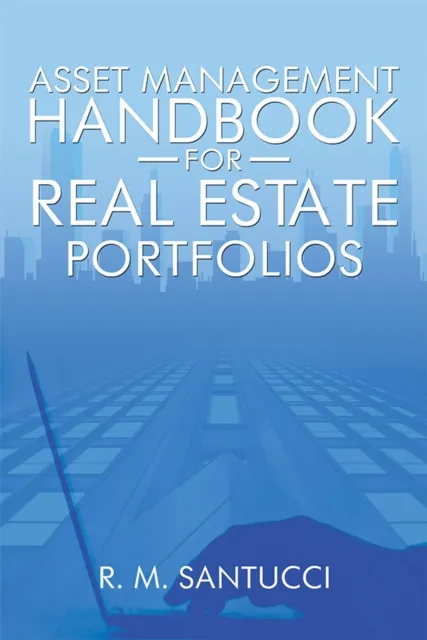
Asset Management Handbook for Real Estate Portfolios

The Asset Management Handbook Overview
The Asset Management Handbook is divided into three phases. Chapters 1 through 3 are conceptual introductions. Chapters 4, 5, 6, and 7 delve into the policies and techniques for evaluating the capital needs of your property over the next 40 years. Chapters 8 and 9 help you identify which properties are performing well and which are most threatened. What actions should you take? What are the standard preservation and rejuvenation options available to a real estate portfolio manager?
What is Asset Management?
People are more accustomed to thinking about asset management of money, stocks, or a package of annuity and savings accounts. Real estate asset management is a slower, longer-term process. The properties in your portfolio, especially in affordable housing, have life cycles of 30, 40, or even infinite time periods. Most nonprofit owners are not interested in selling to capture appreciation. Their goal is to provide housing for the foreseeable future as long as the asset can perform.
Many nonprofits and mid-size property owners do not have a dedicated asset manager. It is critically important that someone takes on that long-term analysis, whether it’s for 10%, 25%, or 50% of a full-time employee’s role. The next step is to benchmark your properties. How are you doing compared to the industry? Not just on financial bottom line, but also in human services. Have you saved enough money to replace the roof or add sprinklers required at the next renovation?
The Asset Management Handbook provides well-established objective criteria for 25 different variables. Participants in the asset management practicum have expanded this to 40 variables for annual analysis. Benchmarking and risk ranking are essential first steps in establishing your portfolio’s viability and needs.
Capital Needs and Their Funding
This section guides you through essential policies that define how your properties will operate over the long term. It highlights how policies made by lenders, bankers, and short-term partners can be detrimental to long-term property owners. For example, a lender might suggest a reserve is sufficient when, two years after loan maturity, the property will require $4 million in replacement expenditures. This approach may be suitable for investment properties held for resale, but most affordable housing owners do not consider selling as a positive outcome.
Even if you’ve never performed a property inspection, the Handbook offers easy methods for counting and sorting components based on their remaining economic lives. It then guides you through a comprehensive spreadsheet that calculates future needs and the various waves of expenditure—exterior paint, roofs, windows, doors, kitchens, and baths—repeating over time. Many third-party capital needs assessments make financial assumptions that are unrealistic, overstating earnings interest rates and understating inflation rates, leading to significant shortfalls despite escrowed funds. The Handbook shows you realistic funding requirements and timing for refinancing windows.
Risk Assessment and Solutions
The final section evaluates your primary risks. Which properties should you prioritize? Which have the strength and capacity to operate independently? What actions should you take—refinance, renegotiate, value engineer, or raise rents? The reality is that every 20 to 30 years, a significant reinvestment is necessary, as the “tsunami” of required replacements inevitably approaches.