£54.99
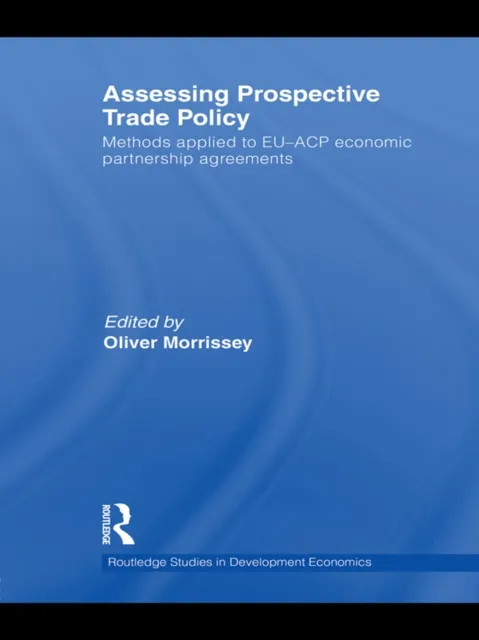
Assessing Prospective Trade Policy
Methods Applied to EU-ACP Economic Partnership Agreements

Trade Preferences and EPAs
The European Union (EU) has provided trade preferences to the African, Caribbean and Pacific (ACP) countries since 1975. To maintain these preferences, a series of economic partnership agreements (EPAs) between the EU and regional groupings of ACP countries are being agreed, (negotiations started around 2003 and many framework agreements have been signed). As multilateral negotiations within the World Trade Organisation have stalled, EPAs are currently the single most important policy issue for ACP trade. This volume assesses EPAs and the potential impact on ACP countries, provides guidance for ACP negotiators in future negotiations and introduces methods to analyse the impact of future trade reforms.
Features and Impacts of EPAs
The essential features are that ACP countries commit to remove tariffs on substantially all imports from the EU and the EU offers improved market access to ACP exporters. For ACP countries the major impacts will be increased imports from the EU, hence a loss of tariff revenue and increased competition from imports in domestic and regional markets, implying significant adjustment costs, which may be offset by some increases in exports to the EU. This collection excellently outlines a variety of analytical methods that can be used to assess the potential economic effects of trade policy reforms, shows how these can be applied to EPAs and derives implications for the issues that should be addressed in negotiating the details of agreements.
Target Audience and Significance
This valuable contribution offers a balanced assessment of the issues and should be essential reading for postgraduates and researchers focussing on Development Economics. Furthermore, the book is written in an accessible style and should be an excellent resource for trade negotiators and government officials concerned with trade relations, as well as officials in the European Commission, individual countries (ACP, Commonwealth, EU) and in multilateral organizations (WTO, UNECA, World Bank, UNCTAD).