£139.50
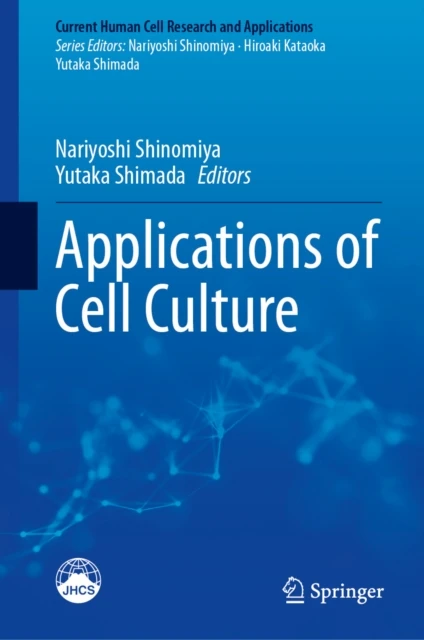
Applications of Cell Culture

Introduction
This book explores recent advances in the application of cell culture for experimental and clinical use. It addresses fundamental issues such as cell line misidentification and offers practical tips for its prevention. It also highlights the latest trends in human cell research for establishing disease models, drug discovery, and new therapeutic trials.
Establishment and Maintenance of Cell Lines
The chapters provide a comprehensive guide to the establishment, maintenance, and passage methods of established cell lines, based on the history of cell line establishment. The book also details research activities and effective examples of clinical use of these established cell lines.
Clinical and Research Applications
In particular, dental pulp-derived stem cells are utilized as an example of primary culture, highlighting important perspectives in establishing clinical-grade standards for regenerative therapy and personalized medicine. It also covers innovative culture techniques of respiratory epithelial cells and their application to clinical studies.
Cell Line Identification and Challenges
The book addresses the issue of cell line misidentification and clarifies the methods for determining the correct cell lines. Recent efforts to isolate and culture cells from trace amounts of clinical samples are also discussed, offering technical insights and outlining challenges for future applications of circulating tumor cells.
Organoid Culture and Cancer Research
Furthermore, it provides an overview of organoid culture and its applications in cancer research. The latter part of the book focuses on limitations of long-established cell lines suffering from genomic drift, a lack of clinical annotation, and the underrepresentation of rare cancers. Also, it describes the critical role of cancer cell lines in advancing rare-cancer research.
Future Directions
The final chapter introduces research examples using iPS cells and AI in the field of neurodegenerative diseases, focusing on reprogramming technology.
This book is intended for researchers, clinicians, and students in the fields of cancer research, cell physiology, drug discovery, and stem/iPS cell research.