£219.50
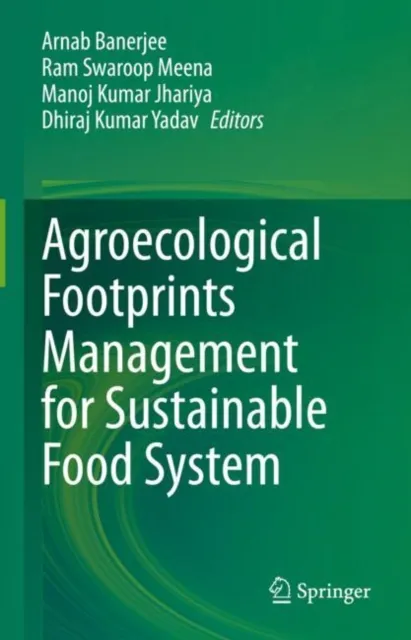
Agroecological Footprints Management for Sustainable Food System

Agroecological Footprints and Sustainable Food Systems
Agroecological footprints are a unique and popular concept for sustainable food system. Measuring and keeping a tab on the agroecological footprints of various human activities has gained remarkable interest in the past decade. From a range of human activities, food production and agriculture are most essential as well as extremely dependent on the agroecosystems. It is therefore crucial to understand the interaction of agroecosystem constituents with the extensive agricultural practices. The environmental impact measured in terms of agroecological footprints for a healthy for the sustainable food system. The editors critically examine the status of agroecological footprints and how it can be maintained within sustainable limits. Drawing upon research and examples from around the world, the book is offering an up-to-date account, and insight into how agroecology can be implemented as a solution in the form of eco-friendly practices that would boost up the production, curbs the environmental impacts, improves the bio-capacity, and reduces the agroecological footprints.
Changing Status and Tools of Agroecological Footprints
It further discusses the changing status of the agroecological footprints and the growth of other footprint tools and types, such as land, water, carbon, nitrogen, etc. This book will be of interest to teachers, researchers, government planners, climate change scientists, capacity builders, and policymakers. Also, the book serves as additional reading material for undergraduate and graduate students of agriculture, agroforestry, agroecology, soil science, and environmental sciences.
Relevance for Policymakers and Scientists
National and international agricultural scientists, policymakers will also find this to be useful to achieve the Sustainable Development Goals.