£149.99
Agrarian Reforms, Land Markets and Rural Poor

Understanding a Cell
A cell is the smallest unit of living matter that is able to function independently, consisting of protoplasm, a complex living material, and made up of three basic parts: a nucleus, cytoplasm, and a cell membrane.
Variability in Cells
There is a great amount of variability in cells with respect to their shape. Some of them change their shape frequently, while others have typical shapes. For instance, amoebae, leucocytes, diatoms, desmids, and acetabularia are to name a few.
Size and Complexity
The size of a cell also varies as per the number of chromosomes. Though it is the basic and the smallest part of a living matter, it has its own independent world of complexities and functionalities.
Life Cycle of a Cell
Like any living organism, it, too, has to pass many stages of life, such as formation, breakage, death, reformation, etc. All these points and the chemical processes a cell undergoes are the subject of Cell Biology.
Reference
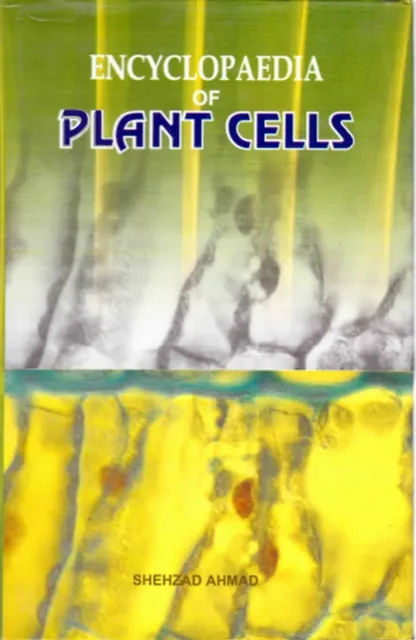
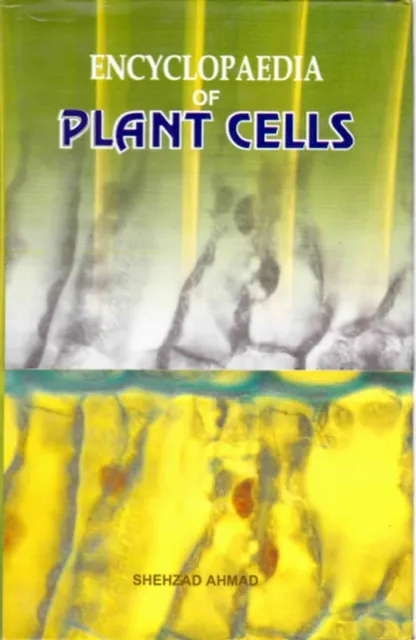
An authoritative and compact Encyclopaedia of Cell Biology, hopefully, it would prove to be beneficial for students and scholars alike.