£28.99
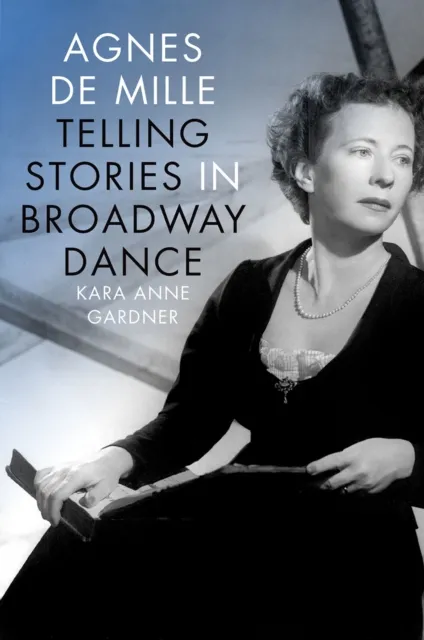
Agnes de Mille
Telling Stories in Broadway Dance

Overview
This book explores the Broadway legacy of choreographer Agnes de Mille, from the 1940s through the 1960s. Six musicals are discussed in depth - Oklahoma!, One Touch of Venus, Bloomer Girl, Carousel, Brigadoon, and Allegro. Oklahoma!, Carousel, and Brigadoon were de Mille's most influential and lucrative Broadway works. The other three shows exemplify aspects of her legacy that have not been fully examined, including the impact of her ideas on some of the composers with whom she worked; her ability to incorporate a previously conceived work into the context of a Broadway show; and her trailblazing foray into the role of choreographer/director. Each chapter emphasizes de Mille's unique contributions to the original productions.
Themes and Contributions
Several themes emerge in looking closely at de Mille's Broadway repertoire. Character development remained at the heart of her theatrical work. She often took minor characters, represented with minimal or no dialogue, and fleshed out their stories. These stories added a layer of meaning that resulted in more complex productions. Sometimes, de Mille's stories were different from the stories her collaborators wanted to tell, which caused many conflicts. Because her unique ideas often got woven into the fabric of her musicals, de Mille saw her choreography as an authorship. She felt she should be given the same rights as the librettist and the composer.
De Mille's work as an activist is an aspect of her legacy that has largely been overlooked. She contributed to revisions in dance copyright law and was a founding member of the Stage Directors and Choreographers Society, a theatrical union that protects the rights of directors and choreographers. Her contention that choreographers are authors who have their own stories to tell offers a new way of understanding the Broadway musical.