£48.99
Afrocentric Traditions

Introduction
Ever since the first contacts between Europe and Africa, African people have operated from the fringes of Eurocentric experience in the Western mind. Much of what we have studied in African history and culture, or literature and linguistics, or politics and economics, has been orchestrated from the standpoint of Europe''s interests. Whether it is a matter of economics, history, politics, geographical concepts, or art, Africans have been seen as peripheral. This volume reviews the past in order to evaluate the present and move ahead with appropriate policies for the future.
Scope of the Volume
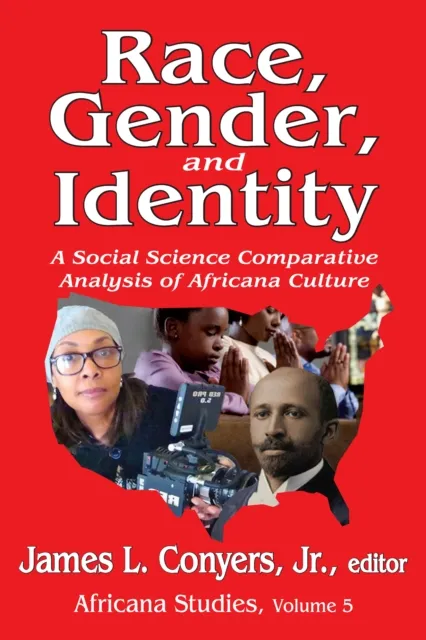
The articles in this volume, the first in a new serial publication in Africana studies, cover a broad range of subject matter and methodology. Topics range from the W.E.B. DuBois-Booker T. Washington schism that led to the formation of the Niagara movement, to the popular dissemination of black hip-hop culture. It opens with a description of Afrocentricity by Molefi K. Asante.
Contributions and Topics
Kobi K.K. Kambon and Reginald Rackley discuss the construct, that produces European cultural "misidentification" among Africans. Nell Irvin Painter, in discussing the Shoah and Southern history, parallels the rhetoric of hate that permeated the late nineteenth- and early twentieth-century German diatribes against Jews with that of the Southern white supremacists against blacks. Anthony B. Pinn notes similarities that tie together slavery and colonialism in a bond of existential and ontological destruction.
Additional Essays
Anthony J. Lemelle, Jr., examines critical issues about black masculinity. James B. Stewart elaborates on the development of Africana studies. Julius E. Thompson explores the historical importance of the African-American writer in Mississippi history. Cary DeCordova Wintz discusses the basis of the conflict between W.E.B. DuBois and Booker T. Washington in an effort to expose its underlying causes. James L. Conyers, Jr. summarizes social and cultural movements, in particular the popular black hip-hop culture.