£147.40
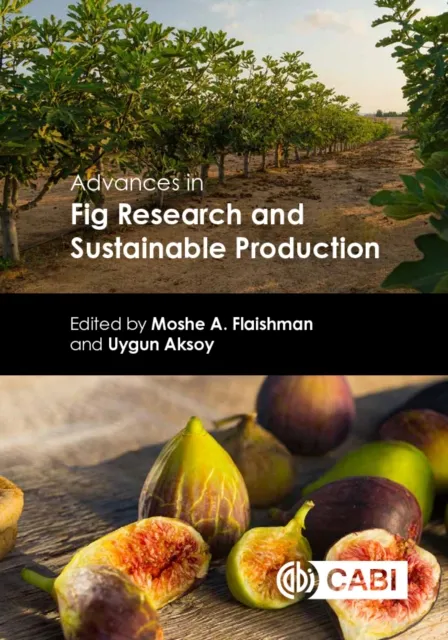
Advances in Fig Research and Sustainable Production

Introduction
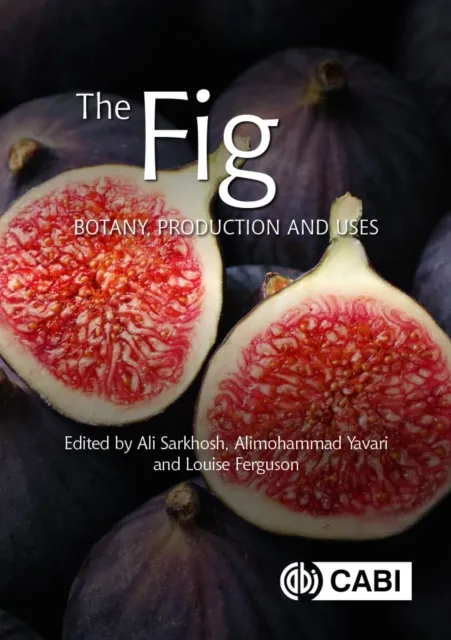
The common fig (Ficus carica L.) is one of the oldest fruits domesticated by humans, and is native to southwest Asia and the Mediterranean. Figs have been associated with health and prosperity since ancient times. They are rich in fibre, potassium, calcium, and iron, as well as being an important source of vitamins, amino acids, and antioxidants. In recent years, increased consumption has caused fig production to shift to new countries such as Mexico, Brazil, India, and China.
Challenges in Cultivation
However, fig is a challenging fruit crop to grow. It is susceptible to insect pests and diseases as well as injuries from abiotic stress during fruit development and ripening. As a delicate fruit it also requires complicated postharvest procedures and climate change presents additional challenges.
Book Content
Comprising 29 chapters written by international experts, the book includes sections on:
- History
- Biology and Orchard Management
- Fruit Ripening and Postharvest Management
- Pests and Diseases
- Omics Analysis
- Cultivars and Breeding
- Products and Trade
Purpose and Audience
This volume serves as a comprehensive reference for current and future practices of fig production, consumption, research and innovation, and is essential for academic researchers, and those involved in research and development in the fig industry.