£69.99
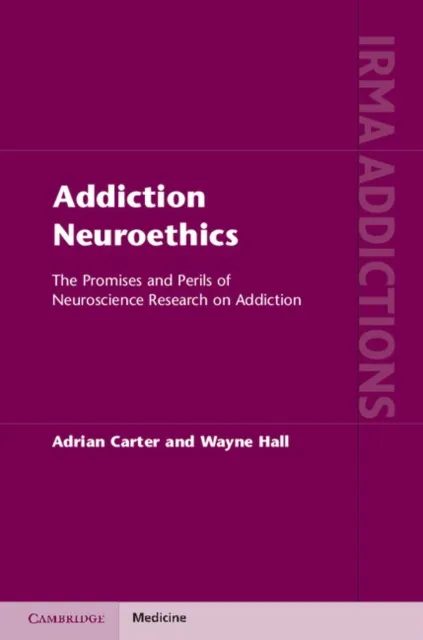
Addiction Neuroethics
The Promises and Perils of Neuroscience Research on Addiction

Addiction as a Major Health and Social Issue
Addiction is a significant health and social problem and one of the largest preventable causes of disease globally. Neuroscience promises to revolutionise our ability to treat addiction, lead to recognition of addiction as a "real" disorder in need of medical treatment and thereby reduce stigma and discrimination.
Ethical Challenges in Neuroscience and Addiction
However, neuroscience raises numerous social and ethical challenges:
- If addicted individuals are suffering from a brain disease that drives them to drug use, should we mandate treatment?
- Does addiction impair an individual's ability to consent to research or treatment?
- How will neuroscience affect social policies towards drug use?
Addressing Ethical Implications
Addiction Neuroethics addresses these challenges by examining ethical implications of emerging neurobiological treatments, including: novel psychopharmacology, neurosurgery, drug vaccines to prevent relapse, and genetic screening to identify individuals who are vulnerable to addiction.
Essential reading for academics, clinicians, researchers and policy-makers in the fields of addiction, mental health and public policy.