£34.29
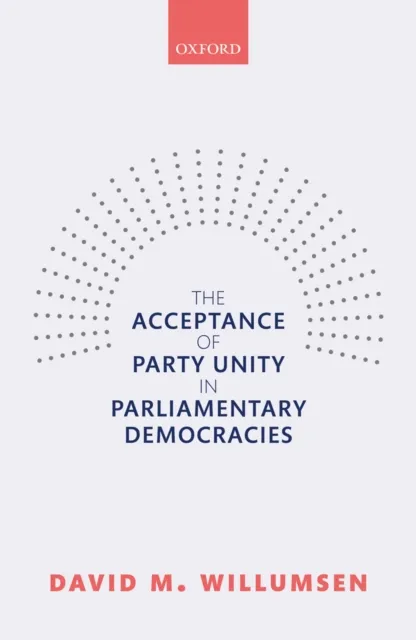
Acceptance of Party Unity in Parliamentary Democracies

Introduction
Despite the central role of policy preferences in the subsequent behaviour of legislators, preferences at the level of the individual legislator have been almost entirely neglected in the study of parliaments and legislative behaviour. The main reason for this is the difficulty of obtaining measures of legislator preferences that are not based on their behaviour.
Scope of the Book
This book explores direct measures of policy preferences through parliamentary surveys. Building on this, the book develops measures of policy incentives of legislators to dissent from their parliamentary parties, and demonstrates that preference similarity amongst legislators explains a very substantial proportion of party unity, yet cannot explain all of it.
Analysis and Findings
Through a quantitative analysis of the attitudes of legislators to the demands of party unity and what drives these attitudes, the book argues that the reason for the difference between observed unity and the levels of unity which can be explained by preference similarity among legislators, is the conscious acceptance by MPs that the long-term benefits of belonging to a united party (such as increased influence on legislation, lower transaction costs and better chances of gaining office) outweigh the short-term benefits of always voting for their ideal policy outcome.
The volume reinforces this argument through the analysis of both open-ended survey questions as well as survey questions on the costs and benefits of belonging to a political party in a legislature.