£79.50
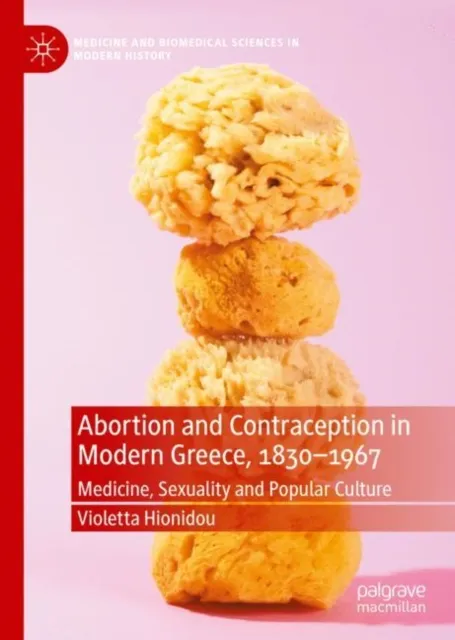
Abortion and Contraception in Modern Greece, 1830-1967
Medicine, Sexuality and Popular Culture

Introduction
The book examines the history of abortion and contraception in Modern Greece from the time of its creation in the 1830s to 1967, soon after the Pill became available. It situates the history of abortion and contraception within the historiography of the fertility decline and the question of whether the decline was due to adjustment to changing social conditions or innovation of contraceptive methods.
Historical Use of Methods
The study reveals that all methods had been in use for other purposes before they were employed as contraceptives. For example, Greek women were employing emmenagogues well before fertility was controlled; they did so in order to ‘put themselves right’ and to enhance their fertility. When they needed to control their fertility, they employed abortifacients, some of which were also emmenagogues, while others had been used as expellants in earlier times. Curettage was also employed since the late nineteenth century as a cure for sterility; once couples desired to control their fertility, curettage was employed to procure abortion. Thus, couples did not need to innovate but rather had to repurpose old methods and materials to new birth control methods.
Role of Physicians and Societal Context
Furthermore, the role of physicians was found to have been central in advising and encouraging the use of birth control for ‘health’ reasons, thus facilitating and speeding fertility decline in Greece. All this occurred against the backdrop of a state and a church that were at times neutral and at other times disapproving of fertility control.