£35.00
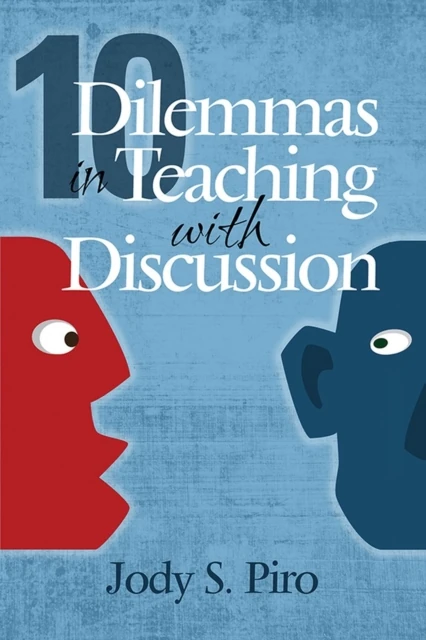
10 Dilemmas in Teaching with Discussion
Managing Integral Instruction

Using discussion in instruction
Discussion is part of a larger curricular goal that intersects the two aspirations of diversity of perspectives and democratic inquiry in that it challenges stereotypes and assumptions through student interactions. An essential goal of discussion is increased personal understanding of difficult issues through social learning. Discussion pedagogy engages students with issues that surpass the self and connects them with larger societal problems, allowing them to expand their perspectives and increase their worldviews of difficult issues. Discussions may have the capability to advance the public-sphere through the use of critical and reasoned discourse.
Challenges of teaching with discussion
Nevertheless, teaching with discussion is a complex and sometimes ambiguous endeavor. Using discussion pedagogy promotes perturbation, disturbance, and disequilibrium as natural and anticipated outcomes of instruction. Instructors using discussion often feel pulled between desirable, but seemingly contradictory, outcomes for their students: for example, wanting students to participate but also wanting them to learn to listen to others' viewpoints; hoping that they will dialogue but also wanting them to pose questions with each other; expecting they will use the text to ground their opinions and also valuing students' personal experiences as they relate to the topic under discussion.
Similarly, instructors using discussion must manage instructional paradoxes: focusing on the process of discussion but also having an eye on the possible products of the discussion, such as outside actions or a culminating project; wanting to provide structure to help students understand expectations and increase student engagement and also valuing organic, less structured dialogues that highlight student interest in the topic. These contradictions may be met with a problem-solving stance leading to an either/or consequence, choosing one viewpoint over another. Yet, the paradoxical outcomes and instructional choices in discussion, though opposing, are mutually desirable. In fact, each side of the dilemma relies on the other. These types of problems for discussion outcomes and instruction are not really problems. They are dilemmas that simply need management.